Marble Floor Polishing In BCC Sector 150 -Noida
Careful marble restoration for modern apartments and villas
Marble flooring adds brightness, depth, and a natural elegance to interiors. In premium residential complexes and commercial spaces, it creates a clean and refined base that suits both classic and contemporary décor. However, even high-quality marble gradually loses its original finish due to daily movement, dust, moisture, and routine cleaning.
After a few years, the surface may begin to look flat instead of reflective. Fine scratches appear in sunlight, and certain areas lose their uniform shine. Regular mopping keeps the floor clean, but it cannot restore the worn layer of stone.
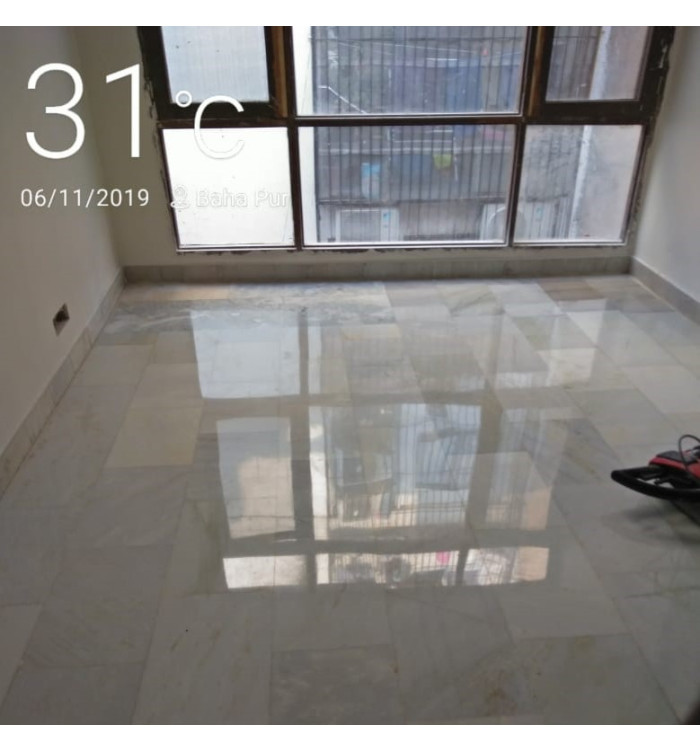
Professional polishing is designed to correct this wear properly. Instead of covering the surface with artificial coatings, the process restores the marble itself by removing damaged layers and rebuilding a smooth, dense finish. The result is a natural shine that lasts and improves the overall feel of the space.
My approach focuses on precision, patience, and correct technique. Each floor is inspected individually, and the treatment is adjusted according to its actual condition.
What marble polishing actually does
Marble polishing is not a simple cleaning service. It is a controlled mechanical refinement process.
Over time, marble develops microscopic scratches and pores. These tiny irregularities scatter light unevenly, which makes the floor look dull. Polishing removes these imperfections gradually using industrial diamond abrasives.
As the surface becomes flatter and smoother:
-
Light reflects evenly
-
The natural colour appears richer
-
The texture feels soft and solid
-
Maintenance becomes easier
The shine produced is natural and comes from the stone itself, not from a surface layer. That is why properly polished marble maintains its appearance for years.
Common problems in residential and commercial marble floors
From experience in apartments, villas, offices, and retail units, certain issues appear regularly.
Dull or faded appearance
High-traffic areas such as living rooms and corridors lose their shine first. The surface starts looking lifeless.
Scratches and scuff marks
Dust and sand act like abrasives under footwear. Moving furniture also leaves visible lines.
Stains and patches
Oil, tea, coffee, and cleaning chemicals seep into porous marble and leave marks that ordinary washing cannot remove.
Uneven reflection
Some sections shine while others remain matte. This happens due to inconsistent wear or incomplete previous polishing.
Moisture damage
Bathrooms, balconies, and kitchens may develop cloudy patches from water exposure.
Pinholes and minor cracks
Small natural holes collect dirt over time, affecting appearance and strength.
Most of these issues can be corrected without replacing the flooring.
Why polishing is a practical alternative to replacement
Replacing marble flooring is expensive and disruptive. It involves breaking the existing floor, generating dust and noise, and installing new stone. Matching colour and pattern can be difficult.
Polishing is usually the smarter choice.
It:
-
Restores the original marble
-
Costs significantly less than replacement
-
Requires less time
-
Minimises structural disturbance
-
Preserves the natural stone
A well-executed restoration often makes the floor look almost new again.
Professional techniques used for lasting durability
Quality results depend on following the correct sequence and using suitable materials. Each step strengthens and refines the marble.
Diamond grinding and polishing
This is the core of the process.
Diamond abrasives are used in a progression from coarse to ultra-fine grits. Coarse pads remove deep scratches and uneven tile edges. Medium grits smooth the surface. Fine grits refine the finish and enhance reflection.
Because diamonds cut evenly, the floor becomes level and consistent across the entire area.
Silicate hardening treatment
Marble is naturally softer than granite. A silicate-based solution reacts with the stone and increases its density.
This treatment makes the surface:
-
More scratch resistant
-
Less porous
-
Stronger under daily use
-
Longer lasting in shine
Nano coating and surface sealing
After polishing, a breathable nano sealer is applied. It reduces absorption of water and oil without forming a visible film.
The marble retains its natural appearance while becoming easier to clean.
Epoxy filling for cracks and pinholes
Tiny holes and hairline cracks are filled with colour-matched epoxy. This improves uniformity and prevents dirt from settling inside.
Step-by-step working method
A systematic workflow ensures consistent and professional results.
Inspection and assessment
The marble type and level of damage are examined. Test patches determine the correct grinding sequence.
Area preparation
Furniture is shifted or covered. Walls and wooden fittings are protected carefully.
Deep cleaning
Old residues, grease, and surface contaminants are removed before grinding begins.
Grinding and levelling
Coarse diamonds eliminate scratches, stains, and lippage. Water is used to control dust.
Honing and polishing
Progressively finer abrasives refine the surface until the desired finish is achieved.
Hardening and sealing
Chemical treatments strengthen and protect the marble.
Final cleaning and inspection
All slurry and residue are cleared, leaving the area neat and ready for use.
Clean and safe working standards
Working in occupied residential towers and commercial units requires discipline.
Wet grinding methods minimise dust. Waste slurry is collected promptly. Cables and machines are handled safely to prevent accidents.
Noise levels are kept controlled, and daily cleanup ensures minimal inconvenience.
The aim is to complete the project efficiently while respecting the property.
Suitable applications
Residential properties
-
Apartments
-
Villas
-
Penthouses
-
Staircases
-
Lobbies
A restored marble floor improves brightness and enhances overall interior appeal.
Light commercial spaces
-
Offices
-
Clinics
-
Retail stores
-
Reception areas
-
Studios
Polished marble maintains a professional look and withstands daily traffic.
Long-term maintenance benefits
After polishing and sealing, maintenance becomes straightforward.
-
Dust accumulation reduces
-
Stains are less likely
-
Cleaning requires less effort
-
Shine remains consistent
Regular sweeping and mild cleaning solutions are sufficient. Harsh acids and strong chemicals should be avoided.
With proper care, the finish can last many years before another light maintenance polish is needed.
Practical advice from experience
Marble responds best to patient and methodical treatment. Quick-fix coatings or aggressive chemicals may provide short-term gloss but often damage the stone over time.
A properly executed polishing process focuses on surface correction, strengthening, and protection. The result should look natural and balanced, not overly glossy.
The goal is long-term value and durability, not temporary shine.

Amrapali Greens- Ghaziabad

Meghdutam Apartment - Noida

Noida Sector 59

NEC Technologies

GREATER KAILASH- DELHI

Haldor Topsoe India Private Ltd- Faridabad

Unayur Marketing - Delhi

Heritage Max - Gurgaon

Alliance Constructions- Gurgaon


FREE INSPECTION

BOOKING

WORK STARTED

BEST QUALITY SERVICE

GUARANTEED SATISFACTION