 ★ Premium Marble Care
Stone Care · Delhi NCR
Marble Floor Polishing In Joniawas-Gurgaon
Restore shine · Remove scratches · Mirror finish — marble & natural stone care with diamond process since 2009.
Typical ₹/sq.ft range · Final quote after free site inspection
- Free on-site inspection
- Trained in-house technicians
- Taski-grade chemicals
- Satisfaction-focused handover
Overview
Marble Floor Polishing In Joniawas-Gurgaon in Joniawas, Gurgaon
Reliable marble restoration for homes, farmhouses and small commercial spaces
Marble flooring is a practical and long-lasting choice for many properties in and around Gurgaon. It keeps interiors cool during summer, reflects natural light well, and gives rooms a clean, timeless appearance. In residential houses, builder floors, and small commercial spaces, however, the same marble faces constant daily use. Foot traffic, dust from outside areas, shifting furniture, and regular mopping slowly wear down the surface.
After a few years, the floor often looks tired even though the stone itself is still strong. The shine becomes uneven, scratches appear near doors and walkways, and stains remain even after cleaning. Many people think the marble has reached the end of its life. In most cases, it simply needs professional polishing and correction.
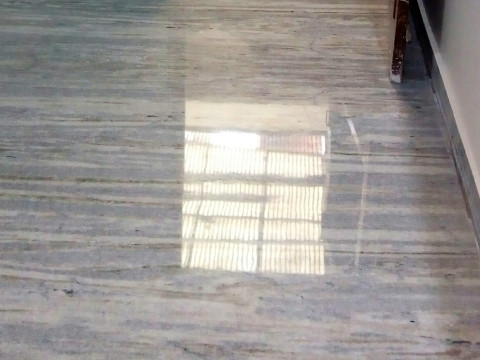
Proper polishing restores the stone rather than covering it up. The damaged layer is refined, the surface is strengthened, and protection is added so the floor stays easier to maintain. The result is a natural, smooth finish that looks fresh without appearing overly glossy.
My approach is straightforward and practical, based on hands-on site experience and careful workmanship rather than quick cosmetic fixes.
What really causes marble to lose its shine
Marble is a natural stone made largely of calcium. While strong, it is softer than granite and slightly porous. Because of this, it reacts to daily friction more quickly than most people expect.
Fine sand and grit carried in on footwear act like abrasives. Every step creates tiny scratches. At first these marks are invisible, but over time they spread across the floor. Instead of reflecting light clearly, the marble starts scattering it. This is why the surface begins to look dull or cloudy.
In regularly used areas, this wear becomes more noticeable.
Common issues include:
-
Loss of natural shine
-
Fine scratches and swirl marks
-
Water spots and moisture rings
-
Oil or food stains
-
Uneven gloss between rooms
-
Rough feel underfoot
-
Small pinholes and hairline cracks
These problems are inside the surface layer, not just on top. Normal cleaning cannot fix them. Mechanical polishing is required to correct the stone itself.
Why polishing is better than replacing marble
When floors begin to look old, replacement often seems like the only option. In practice, replacement is rarely necessary.
Breaking and removing marble creates heavy dust, noise, and several days of disruption. Furniture must be shifted, and daily activities are affected. The cost is high, and matching the same marble shade later can be difficult.
Polishing avoids all of this. Instead of removing the stone, we restore it. Only the thin, damaged top layer is refined, revealing fresh marble underneath. The process is faster, cleaner, and much more economical.
From experience, a well-restored marble floor can easily last another ten to fifteen years with simple maintenance.
How professional marble polishing works
True marble restoration is not just buffing the surface. It is a structured process that repairs, strengthens, and protects the stone step by step.
Each stage prepares the floor for the next. Skipping steps may create temporary shine, but it will not last. Proper sequencing ensures durability and uniform results.
Step-by-step restoration process
Inspection and condition check
Every job begins with a careful inspection. I examine the marble type, thickness, scratches, stains, joints, and any previous coatings. This helps decide how aggressive the grinding should be and which treatments are most suitable.
This planning stage prevents over-grinding and protects the life of the stone.
Deep cleaning
Before machine work starts, the floor must be completely clean.
Old polish, grease, and soap residue are removed using safe, neutral cleaners. Corners and edges are cleaned manually. A clean surface prevents additional scratches during grinding and improves the final finish.
Diamond grinding and polishing
This is the core stage of the process.
Industrial diamond abrasives are used in a gradual sequence. Coarse grits remove deep scratches, stains, and uneven areas. Medium grits smooth the stone. Fine grits refine the surface and bring out a soft, natural shine.
The polishing is slow and controlled. Rather than forcing quick gloss, the marble is gently refined step by step. This produces a finish that looks authentic and lasts much longer.
After this stage, the floor feels smooth and reflects light evenly again.
Epoxy filling for pinholes and cracks
Older marble often develops tiny holes or hairline cracks. These collect dirt and moisture, making the floor look permanently stained.
A colour-matched epoxy filler is applied to repair these imperfections. Once cured, it bonds strongly with the stone and blends naturally. This improves both strength and appearance.
The repaired areas are then re-polished for a seamless look.
Silicate hardening treatment
To increase durability, a silicate hardener is applied.
This solution penetrates the marble and reacts chemically, increasing its density. In simple terms, the stone becomes tougher and more resistant to scratches and daily wear. It also reduces water absorption, which helps prevent future staining.
This step strengthens the floor from within, not just on the surface.
Nano coating and surface sealing
The final stage is protection.
A nano sealer is spread evenly across the marble. It creates an invisible barrier that repels liquids while allowing the stone to breathe naturally. Spills stay on the surface longer, making them easier to wipe away.
This helps maintain the polished look and reduces daily maintenance effort.
Clean and safe working practices
Polishing is carried out inside occupied homes and workplaces, so care is essential.
Furniture is moved gently or covered. Walls, doors, and skirting boards are protected with sheets. Water usage is controlled to avoid splashing. Dust is managed using proper equipment.
Work is usually completed area by area so that you can continue using other parts of the property. At the end of the day, the site is cleaned properly.
A neat and safe environment is always part of professional service.
Suitable spaces for restoration
This service works well for:
-
Independent houses and villas
-
Builder floors and flats
-
Living rooms and bedrooms
-
Corridors and staircases
-
Small offices and clinics
-
Local shops and commercial units
In homes, polishing improves comfort and brightness. In business spaces, it creates a clean and professional appearance while making cleaning easier.
Long-term benefits you will notice
A properly restored marble floor offers more than just shine.
The surface becomes smoother and easier to mop. Dust and dirt do not stick easily. Because the stone is hardened and sealed, stains are less likely to penetrate. Fewer chemicals are required for cleaning.
This reduces maintenance time and cost over the years. The floor also keeps a natural, elegant look rather than an artificial finish.
Simple care after polishing
To keep the marble in good condition:
Use pH-neutral cleaners only. Avoid acids and strong detergents. Place mats at entrances to reduce grit. Wipe spills quickly. Use soft pads under heavy furniture.
These small habits greatly extend the life of the polished surface.
Work guided by experience
Good marble restoration depends on skill and judgement. Too much grinding can thin the stone, while poor sealing can cause future problems. Quick shortcuts may look fine briefly but do not last.
A careful, patient approach delivers results that stand up to everyday use and remain consistent for years.
If your marble floor looks dull, scratched, or stained, professional polishing can restore its original beauty without the cost and inconvenience of replacement.
Our Process
7-step marble mirror finish method
Inspection
Assess stone, scratches and area
Grinding
Remove dull layer & lippage
Joint Filling
Glue or epoxy as needed
Diamond Honing
Pads 200 to 1500
Powder Polish
Nobile compound shine
Crystallization
Harden surface gloss
Mirror Finish
Final inspection & handoff
Neighborhoods we serve
Gurgaon coverage areas
- DLF Phase 3
- Sector 17
- Sector 45
- Sector 86
- Sector 31
- Sector 42
- DLF Phase 1
- Cyber Hub
- Golf Course Extension
- Sector 23
- Sector 66
- Vatika City
- DLF Phase 5
- South City 2
- Sector 14
- Sector 65
Call: +91 8607 001 043
Alt: +91 9466 730 013
Email: info@srmarblepolishing.com
Hours: Mon–Sun 8:00 AM – 8:00 PM
Reviews
Client feedback
Real client notes help new customers choose the right polish for their floor.
FAQ
Common questions about Marble Floor Polishing In Joniawas-Gurgaon
What is the price range for marble floor polishing in Joniawas-Gurgaon?
Our prices vary based on the size and condition of the marble floor. Contact us for a customized quote.
What is the process involved in marble floor polishing?
Our process includes grinding, honing, polishing, and sealing to restore the shine and luster of your marble floor.
How long does the marble floor polishing process take?
The timeline depends on the size of the area to be polished, typically ranging from 1 to 3 days.
Which areas in Delhi NCR do you cover for marble floor polishing?
We provide services in all areas of Delhi NCR, including Joniawas-Gurgaon and surrounding neighborhoods.
How can I care for my marble floor after polishing?
Regularly dust and mop the floor, avoid acidic spills, and use a pH-neutral cleaner to maintain the polished surface.
Do you offer inspection services before marble floor polishing?
Yes, we provide free inspections to assess the condition of your marble floor and recommend the appropriate polishing treatment.
How do you control dust during the polishing process?
We use advanced dust control equipment and techniques to minimize dust and ensure a clean working environment.
Do you provide services for marble polishing in societies or RWAs?
Yes, we offer specialized services for marble polishing in residential societies and RWAs.
Can I request a demo of your marble floor polishing service?
Yes, we can arrange a demonstration of our polishing process at your convenience.
What types of marble finishes can you achieve through polishing?
We can achieve a range of finishes including matte, satin, and high-gloss depending on your preference.
Is marble floor polishing a noisy process?
While some noise is inevitable during the polishing process, we take measures to minimize disruptions to your daily routine.
Do you offer any warranty on your marble floor polishing services?
Yes, we provide a warranty on our workmanship to ensure your satisfaction with the results.
Can you provide references or testimonials from previous customers?
Yes, we can share references and testimonials from satisfied customers who have used our marble polishing services.
Are your technicians trained and experienced in marble floor polishing?
Our technicians are highly trained and have extensive experience in polishing all types of marble floors.
Do you use eco-friendly products and techniques for marble floor polishing?
Yes, we prioritize the use of eco-friendly products and techniques to minimize environmental impact.
What sets SR Marble Polishing Solutions apart in the marble polishing industry?
We stand out for our commitment to quality, attention to detail, and customer satisfaction in every project we undertake.
We also do
Corian, onyx & scratch removal
Beyond this service — we polish Corian tabletops, onyx floors/tabletops and remove scratches across Delhi NCR.



-480x360-c.JPG)





Ready to restore the shine?
Book a free inspection for marble, Corian, onyx or scratch removal across Delhi, Gurgaon, Noida, Faridabad & Ghaziabad.