Stone Care · Kangra
Marble Diamond Polishing Near Kangra Niketan Delhi-Delhi NCR
Scratch removal & gloss restore for marble floors across Diamond Niketan Delhi Delhi Ncr, Kangra.
Typical ₹/sq.ft range · Final quote after free site inspection
- Free inspection in Kangra · HQ Delhi
- Free on-site inspection
- Trained in-house technicians
- Taski-grade chemicals
- Satisfaction-focused handover
Marble Diamond Polishing Near Kangra Niketan Delhi-Delhi NCR
Practical marble restoration for residential blocks and small commercial units
Kangra Niketan has a mix of family homes, flats, and small neighbourhood businesses where marble flooring is still widely used. Marble remains a preferred choice because it is durable, cool underfoot, and easy to maintain. In most properties, the marble slabs themselves stay strong for decades. The problem that usually appears is only on the surface.
With regular walking, furniture movement, and everyday cleaning, the natural shine slowly fades. Fine scratches become visible, stains develop near kitchens or entrances, and some areas look darker or uneven. Even after mopping, the floor often appears dull.
This is where professional restoration becomes necessary.
Marble Floor Polishing In Kangra Niketan-Delhi is not about adding a temporary gloss. It is a proper resurfacing process that restores the marble itself. By carefully removing the worn layer and refining the stone step by step, the original clarity and smoothness return. The finish looks natural, even, and long-lasting rather than coated or artificial.
My approach is practical and experience-based, focusing on careful workmanship, cleanliness, and durable results suited to everyday living spaces.
Why marble floors gradually lose their shine
Marble may look hard and glossy when new, yet daily use slowly affects the surface.
Fine dust and sand from outside act like abrasives under shoes. Chairs and tables leave drag lines. Water leaves mineral deposits. Oil and food spills seep into tiny pores. Strong cleaners sometimes lightly etch the stone.
Each of these may seem small on its own. Over time, they create thousands of micro-scratches.
Instead of reflecting light evenly, the marble begins to scatter it. That is why the floor looks cloudy or lifeless even when clean.
Common issues include:
-
Loss of natural shine
-
Fine scratches and scuff marks
-
Stains from kitchen spills
-
Water rings near bathrooms and sinks
-
Uneven gloss between rooms
-
Rough or chalky feel underfoot
-
Small pits or pinholes
-
Dark traffic paths in busy areas
Regular cleaning cannot correct these defects because they are inside the stone surface.
What proper polishing actually does
Some services apply wax or chemical coatings to create quick shine. These only sit on top and wear off quickly.
Professional polishing works differently.
It is mechanical resurfacing. Industrial diamond abrasives are used to gently remove a thin top layer of marble. This eliminates scratches, stains, and uneven spots. Once the damaged surface is removed, fresh marble is exposed.
The floor is then refined gradually with finer abrasives until it becomes smooth and naturally reflective.
The shine comes directly from the marble itself, not from any coating. Because of this, the finish lasts longer and looks authentic.
Why restoration is better than replacing the floor
When marble looks old, many homeowners think of replacing it completely. In most cases, replacement is unnecessary and costly.
Replacement involves breaking tiles, heavy dust, noise, debris removal, and installing new flooring. It disrupts daily life and increases expenses.
Restoration avoids all this inconvenience.
Marble slabs are thick and durable, so removing only the top surface is enough to restore their appearance. The process is quicker, cleaner, and far more economical.
You keep your existing flooring while achieving a fresh look.
For most homes and small commercial properties, polishing is the practical solution.
Suitable areas for marble polishing
This service works well wherever marble is intact but worn.
Typical spaces include:
-
Living rooms and bedrooms
-
Kitchens and dining areas
-
Corridors and entrances
-
Staircases and landings
-
Offices and small clinics
-
Shops and showrooms
-
Rental or guest properties
High-traffic zones benefit the most because smoothing the surface makes cleaning easier and improves overall appearance.
Techniques used during the restoration process
Each project begins with inspection to determine the right treatment. The following methods form the foundation of the work.
Diamond grinding and polishing
Heavy-duty floor machines with industrial diamond pads are used to level and smooth the marble. Coarse stages remove scratches and uneven joints, while finer stages restore clarity and shine.
Silicate hardening treatment
A hardener is applied after grinding to increase surface density. This makes the marble stronger, more resistant to daily wear, and easier to maintain.
Nano coating and surface sealing
A breathable sealer reduces water and oil absorption while allowing the stone to breathe naturally, helping prevent stains.
Epoxy filling for cracks and pinholes
Small holes and hairline cracks are filled with colour-matched epoxy to create a smooth and uniform finish.
Step-by-step workflow on site
The work is carried out in a systematic and organised way.
Inspection
The floor is checked carefully for scratches, stains, and uneven areas.
Preparation
Furniture is moved safely and surrounding surfaces are protected.
Surface correction
Coarse grinding removes old damage and levels the marble.
Polishing
Finer abrasives restore smoothness and natural reflection.
Protection
Hardener and sealer are applied, followed by final cleaning.
Each stage is handled patiently to ensure proper results.
Clean and safe working practices
Working inside homes requires extra care.
Wet grinding is used to minimise dust. Slurry is removed regularly. Walls and furniture are covered. Electrical connections are arranged safely.
The aim is to complete the job neatly and leave the space clean and ready for use.
Professional polishing should always be tidy and organised.
Results you can expect
After proper restoration, the improvement is clear yet natural.
You will generally notice:
-
Even shine across the entire floor
-
Reduced scratches and stains
-
Smooth and comfortable walking surface
-
Brighter interiors due to better light reflection
-
Easier daily cleaning
-
Better resistance to moisture and spills
The marble looks refreshed and well maintained rather than artificially glossy.
Easy maintenance for long-term performance
Maintaining polished marble is simple.
-
Use mild neutral cleaners
-
Avoid harsh acids or bleach
-
Wipe spills quickly
-
Place pads under heavy furniture
-
Dry mop regularly
With normal care, the finish can last several years before light maintenance is required.
A sensible and long-lasting solution
Good marble flooring should serve for decades. If it has lost its shine, proper resurfacing is usually all that is needed. Professional polishing restores the natural beauty of the stone, improves durability, and reduces maintenance without major disruption.
It is a practical and cost-effective way to protect your flooring investment.
Choose your path
Apartment or commercial floor?
Different access rules and timelines — pick the path that matches your property.
Apartment / society flat
2–3 BHK living rooms, Italian marble, RWA-friendly low-dust process.
WhatsApp flat photosOffice / lobby / commercial
Office lobbies and commercial floors — weekend or after-hours slots available.
WhatsApp commercial quoteProof
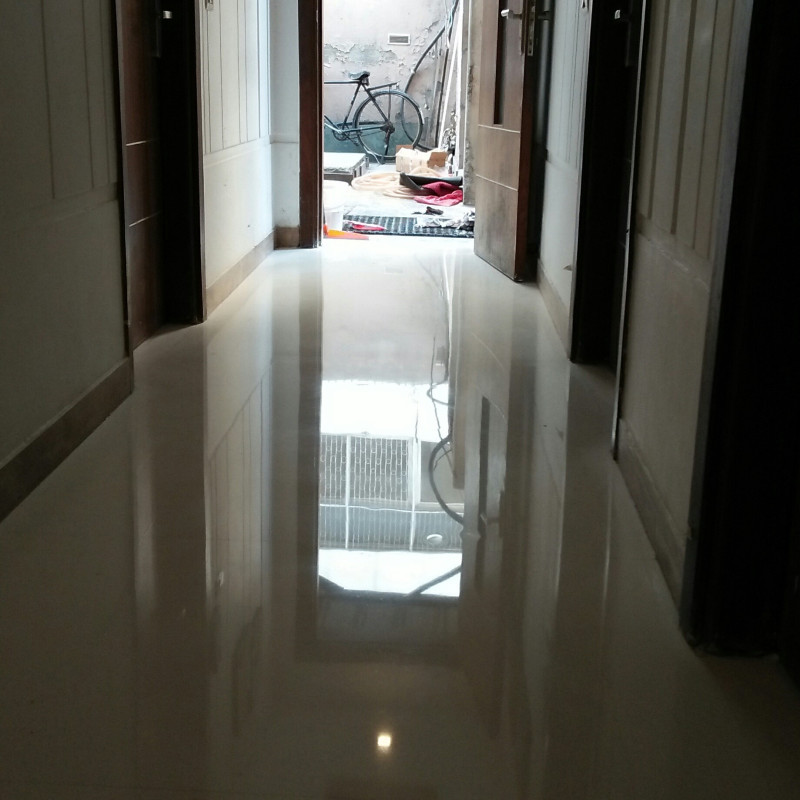
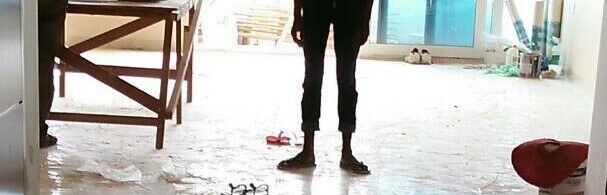
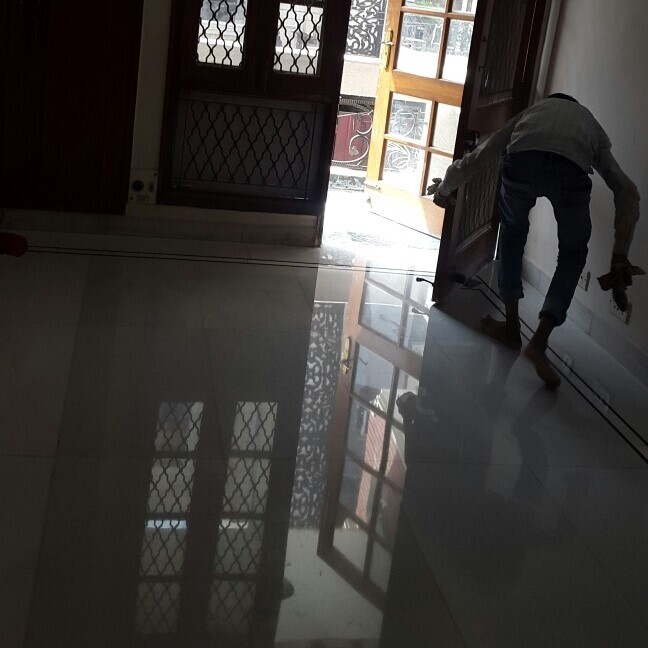
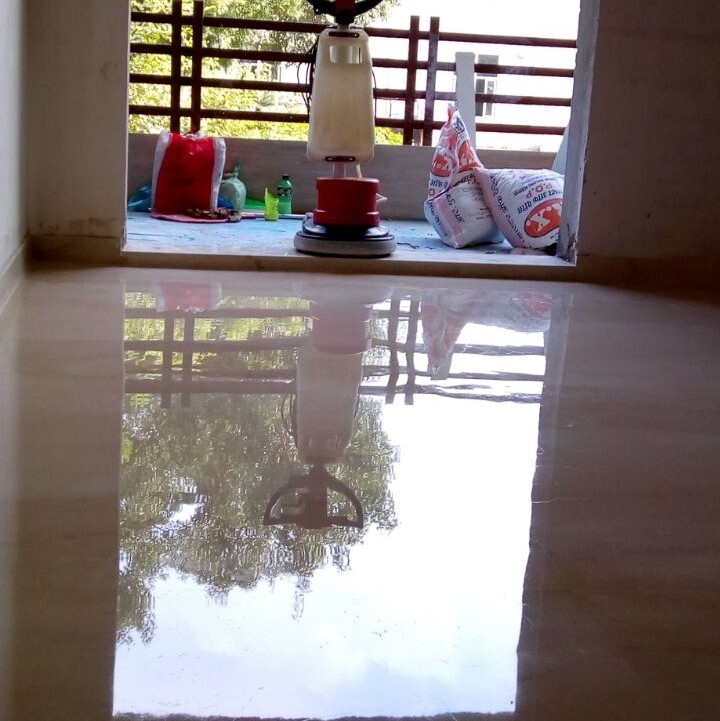
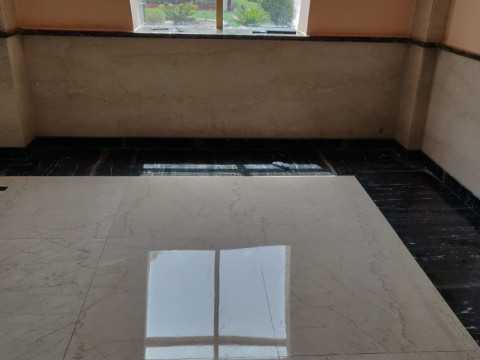
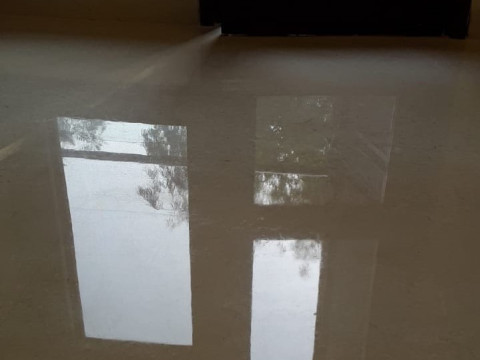
Before & after marble finish
Drag the slider to compare dull floors with restored mirror gloss.
 Before
After
Before
After

 Before
After
Before
After

 Before
After
Before
After

 Before
After
Before
After
Pricing
Kangra marble polishing rates
Indicative ₹/sq.ft bands — final quote after free on-site inspection.
| Package | Typical range |
|---|---|
| Basic / maintenance polish | ₹15 – ₹30 /sq.ft |
| Diamond multi-stage polish | ₹20 – ₹45 /sq.ft |
| Grinding + polishing | ₹30 – ₹60 /sq.ft |
| Epoxy fill + polish | ₹40 – ₹75 /sq.ft |
| Nano coating (optional) | ₹10 – ₹20 /sq.ft extra |
Our Process
7-step marble mirror finish method
Inspection
Assess stone, scratches and area
Grinding
Remove dull layer & lippage
Joint Filling
Glue or epoxy as needed
Diamond Honing
Pads 200 to 1500
Powder Polish
Nobile compound shine
Crystallization
Harden surface gloss
Mirror Finish
Final inspection & handoff
Neighborhoods we serve
Kangra coverage areas
- Kangra NH-154
- Nagrota Approach
- Kangra Collectorate
- New Kangra
- Palampur Approach
- Kangra Industrial Area
- Kangra Mandi
- Old Kangra
- Urban Estate Kangra
- Civil Lines Kangra
- Kangra Bus Stand
- Kangra Market Road
- Kangra Temple Belt
- Kangra Market
- Model Town Kangra
- Kangra Railway Station
Call: +91 86070 01043
Alt: +91 9466 730 013
Email: info@srmarblepolishing.com
Hours: Mon–Sun 8:00 AM – 8:00 PM
Reviews
Client feedback
Real client notes help new customers choose the right polish for their floor.
FAQ
Common questions about Marble Diamond Polishing Near Kangra Niketan Delhi-Delhi NCR
How much does marble polishing cost in Kangra?
Packages are quoted in ₹/sq.ft after we check stone type, damage and access. Share photos on WhatsApp for a fast range, then we confirm on free inspection in Kangra.
Do you handle society / RWA permissions in Kangra?
Yes. We share method notes, protect lifts/common areas and work in approved noise windows for gated societies across Kangra.
Is dust controlled during marble polishing in apartments?
We use wet grinding and vacuum recovery where practical, plus floor protection, to keep slurry and dust controlled in occupied homes.
How is the final price decided?
We confirm stone/surface type, damage level and sq.ft on inspection, then share a clear ₹ range before starting.
How long does the job take?
Most apartments finish in 1–3 days. Large commercial floors are phased around your schedule.
Do you polish Corian, onyx and remove scratches too?
Yes — Corian tabletops/counters, onyx tabletops and floors, and scratch removal on stone and solid surfaces across Delhi NCR.
Do you serve Gurgaon, Noida and Faridabad?
Yes — full Delhi NCR coverage including Greater Noida, Ghaziabad and nearby sectors.
Is furniture moving included?
Light shifting can be arranged; heavy items should be cleared or discussed before the crew arrives.
What is the cost of marble floor polishing in Kangra Niketan-Delhi?
Our prices vary based on the size and condition of the floor. Contact us for a free estimate.
What is the process involved in marble polishing?
Our process includes grinding, honing, and polishing to restore the natural shine of your marble floors.
How long does marble floor polishing take?
The time taken depends on the size of the area. Typically, it can take 1-2 days for completion.
Which areas in Delhi NCR do you cover for marble polishing?
We provide services in Kangra Niketan-Delhi and surrounding areas in Delhi NCR.
How should I care for my marble floors after polishing?
Regularly clean with a neutral pH cleaner and avoid abrasive materials to maintain the shine.
Do you offer inspections before providing a quote?
Yes, we offer free on-site inspections to assess the condition of your marble floors.
How do you control dust during the polishing process?
We use dust extraction equipment to minimize dust and ensure a clean working environment.
Do you provide services for marble polishing in societies or RWAs?
Yes, we offer marble polishing services for residential societies and RWAs in Delhi NCR.
Can you remove deep stains and scratches from marble floors?
Our professional polishing techniques can effectively remove deep stains and scratches from marble surfaces.
Is marble polishing a noisy process?
While some noise is inevitable, we strive to minimize disruptions during the polishing process.
Do you use eco-friendly products for marble polishing?
Yes, we use environmentally friendly products that are safe for your marble floors and the environment.
What is the expected lifespan of marble polishing?
With proper care and maintenance, our marble polishing can last for several years before requiring touch-up services.
Can you provide references from past marble polishing projects?
Yes, we can provide references from satisfied customers who have used our marble polishing services.
Do you offer maintenance packages for marble floors after polishing?
Yes, we offer maintenance packages to help you keep your marble floors looking their best for longer.
Are your marble polishing services insured?
Yes, we are fully insured to provide peace of mind to our customers during the polishing process.
What sets SR Marble Polishing Solutions apart from other marble polishing companies?
We prioritize quality, customer satisfaction, and attention to detail in every marble polishing project we undertake.
We also do
Corian, onyx & scratch removal
Beyond this service — we polish Corian tabletops, onyx floors/tabletops and remove scratches across Delhi NCR.







Ready to restore the shine?
Book a free inspection for marble, Corian, onyx or scratch removal across Delhi, Gurgaon, Noida, Faridabad & Ghaziabad.