 ★ Premium Marble Care
Stone Care · Delhi NCR
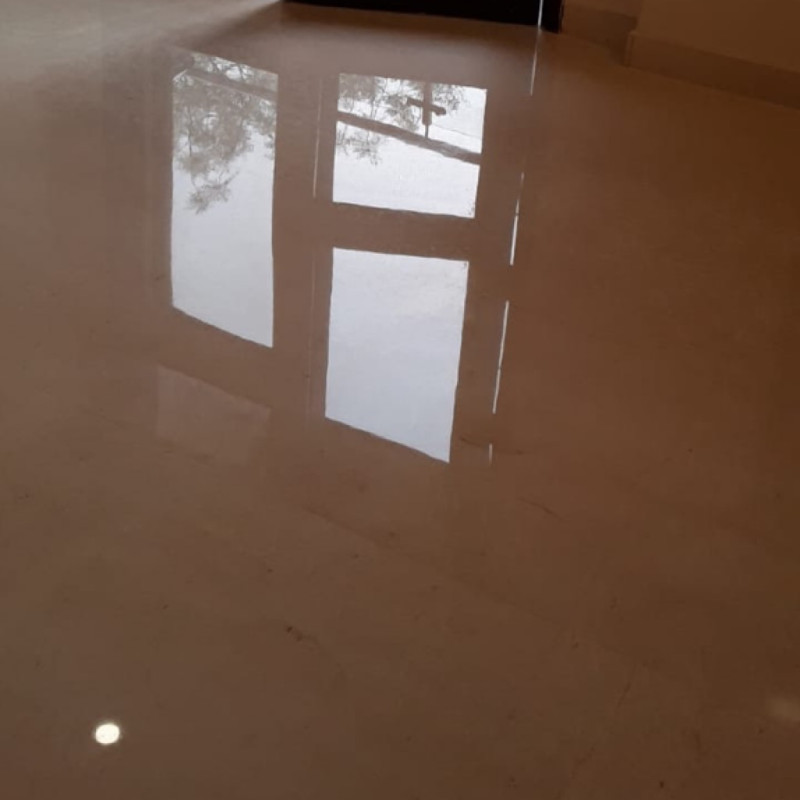
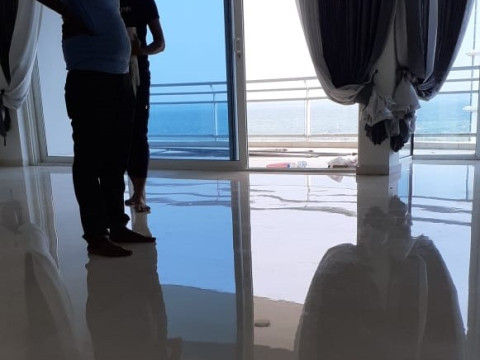
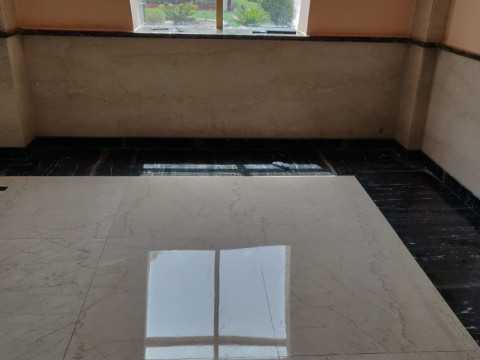
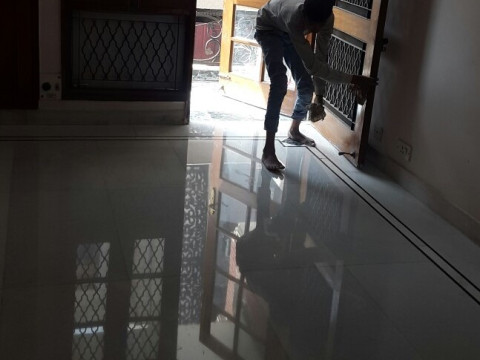
Marble Floor Polishing In Krishna Vihar-Ghaziabad
Restore shine · Remove scratches · Mirror finish — marble & natural stone care with diamond process since 2009.
Typical ₹/sq.ft range · Final quote after free site inspection
- Free on-site inspection
- Trained in-house technicians
- Taski-grade chemicals
- Satisfaction-focused handover
Marble Floor Polishing In Krishna Vihar-Ghaziabad in Krishna Vihar, Ghaziabad
Practical marble restoration carried out with patience, care, and proper tools
Marble flooring has always been valued in homes and small commercial spaces for its natural look and long life. It stays cool during summer, reflects light softly, and gives interiors a clean, premium feel. Even so, daily use slowly changes the surface. Constant walking, dust particles, furniture movement, and strong cleaning products gradually wear down the top layer of the stone.
After a few years, the floor that once looked bright and smooth starts appearing dull, scratched, or patchy. Many people assume the marble is damaged beyond repair. In reality, most of the time the problem is only on the surface. The stone underneath is still strong.
With correct grinding and polishing, marble can be restored to its original finish without replacement or major renovation. The focus is always on proper correction of the stone rather than temporary shine.
What marble polishing actually does to the stone
There is a common misunderstanding that polishing means applying a glossy chemical or wax. Those treatments only sit on top and wear off quickly. They may look good for a short time but attract dirt and make the floor slippery.
Professional polishing works differently.
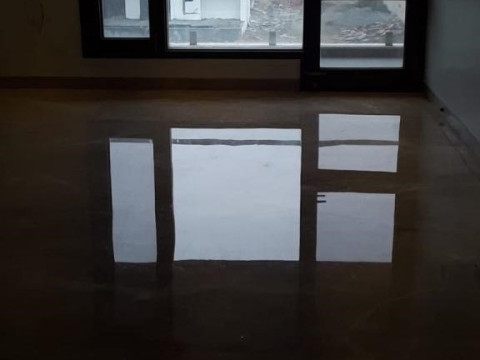
It is a mechanical process where the uppermost damaged layer of marble is gradually removed using industrial diamond abrasives. Scratches, stains, and unevenness are corrected step by step. As the surface becomes smoother, the marble’s natural reflection comes back on its own.
No artificial layer is added. The shine comes from the stone itself.
After proper polishing, you will notice:
-
Even light reflection across the entire room
-
Smooth texture underfoot
-
Reduced scratches and stains
-
Easier cleaning
-
Longer-lasting finish
Signs your marble floor needs restoration
From experience, most homes show similar problems once the marble has aged. These issues develop slowly and often go unnoticed until the overall look changes.
Dull and lifeless appearance
Regular foot traffic and fine dust act like sandpaper. Over time, the glossy finish fades and the surface looks flat.
Visible scratches and scuffs
Chairs, tables, and daily movement create thin lines on the marble. In high-traffic areas, these marks become more obvious.
Stains and dark patches
Spilled liquids such as tea, oil, or bathroom products seep into the stone. These stains become difficult to remove with normal mopping.
Uneven shine
Some areas look brighter while others appear cloudy. This usually happens because of uneven wear or old chemical coatings.
Moisture marks
Water exposure in kitchens, bathrooms, and balconies often leaves dull rings or white patches.
Most of these concerns are surface-level and can be corrected without replacing tiles.
Why polishing is better than replacing the marble
When floors look old, many people think replacement is the only option. However, replacing marble involves breaking tiles, removing debris, and installing new stone. This creates noise, dust, and several days of disturbance.
It is also expensive. Matching the same marble shade and quality can be difficult, and new tiles may not blend well with the existing interior.
Restoration is usually the smarter choice.
By polishing the existing floor, you:
-
Avoid demolition work
-
Save on material costs
-
Reduce mess and downtime
-
Keep your original marble
-
Achieve results faster
In most residential and light commercial spaces, polishing provides excellent value and long-term benefits.
Professional methods used during the process
Each floor is different, so the treatment is decided only after inspection. The aim is always correction first, then protection.
Diamond grinding and polishing
This is the most important stage.
Heavy-duty diamond pads are used in a sequence of grits. Coarse abrasives remove deep scratches and level the surface. Medium and fine abrasives then refine the marble gradually until a natural shine develops.
This method:
-
Removes scratches and stains
-
Levels uneven tiles
-
Restores smoothness
-
Brings back the original finish
The result looks natural and balanced rather than overly glossy.
Silicate hardening treatment
Marble is porous and can wear down over time. A silicate hardener reacts with the stone and makes the surface denser.
This helps:
-
Increase durability
-
Improve resistance to wear
-
Retain shine longer
-
Strengthen high-traffic areas
It is especially useful in hallways, entrances, and offices.
Nano coating and surface sealing
After polishing, the surface needs protection. A breathable nano sealer is applied to reduce liquid penetration.
This protects against:
-
Water stains
-
Oil absorption
-
Dirt build-up
The marble keeps its natural look while becoming easier to maintain.
Epoxy filling for cracks and pinholes
Older marble often has small holes or hairline cracks. These trap dirt and affect the finish.
Colour-matched epoxy fillers are used to repair these imperfections. Once polished, the surface becomes smooth and uniform.
Step-by-step working process
A clear and organised workflow ensures consistent results and minimal disruption.
Inspection
The floor is examined carefully to identify scratches, stains, and uneven areas. This helps determine the correct tools and treatment.
Preparation
Furniture is moved safely. Walls, skirting, and nearby areas are covered to prevent splashes or dust.
Deep cleaning
Old wax, grease, and dirt are removed. Polishing always works better on a clean surface.
Surface correction
Grinding begins to remove damage and level the marble. Repairs and fillings are completed during this stage.
Polishing stages
Finer abrasives gradually refine the stone. The shine develops evenly across the entire floor.
Protection
Hardener or sealer is applied, followed by final buffing and cleaning.
The area is left tidy and ready for use.
Clean and safe work practices
Many homeowners worry about dust during polishing. Modern equipment uses wet grinding and vacuum systems to keep dust low. Slurry is collected regularly and disposed of properly.
Protective sheets cover nearby furniture and walls. Tools and cables are arranged safely to avoid accidents. Work is carried out carefully so daily routines are disturbed as little as possible.
Cleanliness and safety are always priorities on site.
Suitable applications
This service is not limited to large spaces. It is equally effective in everyday settings.
Residential properties
-
Living rooms
-
Bedrooms
-
Kitchens
-
Bathrooms
-
Corridors
-
Staircases
Light commercial spaces
-
Offices
-
Clinics
-
Shops
-
Boutiques
-
Reception areas
Any marble surface that has lost its finish can benefit from proper restoration.
Long-term durability and value
When marble is polished correctly, the results last for years rather than months. The surface becomes smoother and less prone to staining, which reduces daily maintenance.
Over time, you will notice:
-
Less effort required for cleaning
-
Fewer visible marks
-
Lower repair costs
-
Better appearance of interiors
-
Increased property value
Instead of repeatedly applying temporary solutions, you get a durable and reliable finish.
Simple maintenance after polishing
Maintaining marble does not require complicated products.
A few simple habits are enough:
-
Mop with clean water or mild cleaner
-
Avoid acidic chemicals
-
Wipe spills quickly
-
Use doormats at entrances
-
Place felt pads under furniture
These steps protect the surface and extend the life of the polish.
Experience that makes a difference
Marble polishing is not just machine work. It requires judgement, patience, and understanding of how different stones behave. Knowing how much to grind and when to stop ensures a natural finish rather than overworking the floor.
Each project is handled carefully, with attention to detail and cleanliness. The aim is always to restore the marble properly so it looks right and stays durable for years.
If your floor has become dull, scratched, or stained, professional restoration can bring it back to life without the cost and disruption of replacement.
Our Process
7-step marble mirror finish method
Inspection
Assess stone, scratches and area
Grinding
Remove dull layer & lippage
Joint Filling
Glue or epoxy as needed
Diamond Honing
Pads 200 to 1500
Powder Polish
Nobile compound shine
Crystallization
Harden surface gloss
Mirror Finish
Final inspection & handoff
Neighborhoods we serve
Ghaziabad coverage areas
- Pandav Nagar Extension
- Siddharth Vihar
- Niti Khand 2
- Raj Nagar Extension
- Dasna
- Nehru Nagar
- Gyan Khand 2
- Nyay Khand 1
- Nyay Khand 2
- Brij Vihar
- Ahinsa Khand 1
- Shipra Sun City
- Chander Nagar
- Sahibabad
- Abhay Khand
- Mohan Nagar
Call: +91 8607 001 043
Alt: +91 9466 730 013
Email: info@srmarblepolishing.com
Hours: Mon–Sun 8:00 AM – 8:00 PM
Reviews
Client feedback
Real client notes help new customers choose the right polish for their floor.
FAQ
Common questions about Marble Floor Polishing In Krishna Vihar-Ghaziabad
What is the cost of marble floor polishing in Krishna Vihar-Ghaziabad?
Our prices vary based on the size and condition of the area, starting from INR 15 per sq. ft.
What is the process for marble floor polishing?
Our process includes grinding, honing, polishing, and sealing to restore the shine and finish of your marble floors.
How long does marble floor polishing take in Krishna Vihar-Ghaziabad?
The timeline depends on the size of the area, typically ranging from 1 to 3 days.
Which areas do you cover for marble polishing in Delhi NCR?
We provide services in all areas of Delhi NCR, including Krishna Vihar-Ghaziabad and surrounding neighborhoods.
How should I care for my marble floors after polishing?
Regularly dusting and mopping with a pH-neutral cleaner will help maintain the polished look of your marble floors.
Do you offer inspection services before marble polishing?
Yes, we provide free inspections to assess the condition of your marble floors and recommend the best polishing solution.
How do you control dust during the polishing process?
We use advanced dust control equipment and techniques to minimize dust and ensure a clean environment during polishing.
Do you provide marble polishing services to societies and RWAs in Delhi NCR?
Yes, we offer specialized services for residential societies and RWAs to enhance the appearance of communal areas.
Can I request a customized quote for marble polishing in Krishna Vihar-Ghaziabad?
Absolutely, you can contact us for a personalized quote based on your specific requirements and area size.
Are your marble polishing services in Krishna Vihar-Ghaziabad insured?
Yes, we are fully insured to provide peace of mind to our customers during the polishing process.
Do you use environmentally friendly products for marble polishing?
Yes, we prioritize eco-friendly products that are safe for your family and the environment.
What sets SR Marble Polishing Solutions apart from other marble polishing companies in Delhi NCR?
Our commitment to quality, attention to detail, and customer satisfaction distinguish us as a leading marble polishing service provider.
Can I schedule marble polishing services on weekends or holidays?
Yes, we offer flexible scheduling options, including weekends and holidays, to accommodate your convenience.
Do you offer maintenance plans for marble floors after polishing?
Yes, we provide maintenance plans to help you keep your marble floors looking pristine for years to come.
Is there a warranty provided for your marble polishing services in Delhi NCR?
Yes, we offer a warranty on our polishing services to ensure your satisfaction and peace of mind.
How can I book an appointment for marble floor polishing in Krishna Vihar-Ghaziabad?
You can easily book an appointment by contacting us via phone, email, or our website to schedule your marble polishing service.
We also do
Corian, onyx & scratch removal
Beyond this service — we polish Corian tabletops, onyx floors/tabletops and remove scratches across Delhi NCR.
Popular near Krishna Vihar
Our other most viewed services
Nearby area pages first, then more across Ghaziabad.







Ready to restore the shine?
Book a free inspection for marble, Corian, onyx or scratch removal across Delhi, Gurgaon, Noida, Faridabad & Ghaziabad.