 ★ Premium Marble Care
Stone Care · Delhi NCR
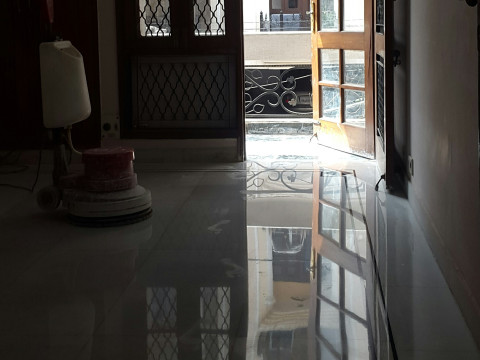
Marble Floor Polishing In Bhraman Wara-Faridabad
Restore shine · Remove scratches · Mirror finish — marble & natural stone care with diamond process since 2009.
Typical ₹/sq.ft range · Final quote after free site inspection
- Free on-site inspection
- Trained in-house technicians
- Taski-grade chemicals
- Satisfaction-focused handover
Overview
Marble Floor Polishing In Bhraman Wara-Faridabad in Bhraman Wara, Faridabad
Practical marble restoration carried out with careful, hands-on workmanship
Marble flooring is a dependable choice for many homes, independent houses, and small commercial spaces because it offers strength, longevity, and a naturally clean appearance. It keeps rooms cool during warm weather and reflects light well, making interiors look brighter and more open. When newly installed, marble looks smooth and glossy. With daily use, however, that natural shine slowly fades.
Foot traffic, dust carried in from outside, shifting furniture, and moisture gradually wear down the surface. The finish becomes dull, fine scratches appear, and certain areas look darker or patchy. Even after regular mopping, the floor may not regain its original clarity.
This happens because the marble itself has worn down, not just collected dirt.
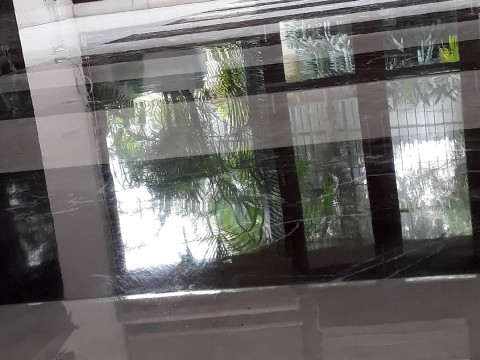
Professional polishing restores the stone correctly by refining the damaged layer rather than masking it with temporary coatings. The result is a level, smooth, naturally reflective surface that improves both appearance and ease of maintenance for years.
Each project is completed patiently using proper machines and practical site experience to ensure consistent, long-lasting results.
What marble polishing actually does
Polishing is often confused with waxing or chemical shine. In reality, proper marble polishing is a mechanical stone restoration process.
Over time, marble develops:
-
Fine scratches from sand and grit
-
Etch marks from acidic spills
-
Small pits and open pores
-
Uneven wear in busy areas
These imperfections scatter light and make the floor look dull or cloudy.
Using industrial diamond abrasives in gradual stages, thin layers of damaged marble are removed. The surface becomes flat and dense again. Once refined, light reflects evenly, producing a natural shine.
Because this gloss comes directly from the stone itself, it looks authentic and lasts much longer than artificial finishes.
Common problems seen in everyday marble floors
From regular work inside residential properties and small offices, certain issues appear frequently.
Dull and lifeless finish
Entrances, living rooms, and corridors lose brightness first due to constant use.
Scratches and scuff marks
Furniture dragging and dust under footwear leave visible lines across the surface.
Stains and dark patches
Oil, tea, coffee, and cleaning products soak into porous marble and create stubborn marks.
Uneven shine
Some sections remain glossy while others look flat, giving the floor a patchy appearance.
Water and moisture damage
Bathrooms and kitchens often develop cloudy spots due to regular dampness.
Pinholes and hairline cracks
Natural holes collect dirt and affect the smooth finish.
Most of these problems can be corrected effectively without replacing the marble.
Why polishing is better than replacing the floor
Replacing marble flooring can be costly and disruptive. Breaking the existing surface creates heavy dust, noise, and additional labour. Matching the same marble shade can also be difficult.
Polishing is usually the more practical and economical option.
It:
-
Restores the existing marble
-
Costs much less than replacement
-
Requires less time
-
Causes minimal disturbance
-
Preserves the original flooring
In many cases, a professionally restored floor looks almost new again without the stress of renovation work.
Professional techniques used for durable results
A long-lasting finish depends on correct tools and a systematic process. Each stage improves both durability and appearance.
Diamond grinding and polishing
This is the foundation of marble restoration.
Diamond pads of various grits are used gradually. Coarse pads remove deep scratches and uneven levels. Medium pads smooth the surface. Fine pads refine the marble and enhance clarity.
Because diamonds cut evenly, the entire floor becomes flat and consistent, producing uniform reflection.
Silicate hardening treatment
Marble is softer than many stones. A silicate hardener reacts with the surface and increases density.
This makes the marble:
-
More resistant to wear
-
Less porous
-
Stronger under daily traffic
-
Longer lasting
Nano coating and surface sealing
After polishing, a breathable nano sealer is applied. It protects against stains and moisture while maintaining the natural look of the stone.
Cleaning becomes easier and routine maintenance improves.
Epoxy filling for pinholes and cracks
Small holes and hairline cracks are filled with colour-matched epoxy. This prevents dirt buildup and improves the uniform finish.
Step-by-step work process
A structured workflow ensures neat and professional results on every project.
Inspection
The marble type and condition are checked carefully. Test patches help determine the correct method.
Preparation
Furniture is moved or covered. Walls and nearby areas are protected to avoid splashes or scratches.
Deep cleaning
Old residues, grease, and dirt are removed before grinding begins.
Grinding and levelling
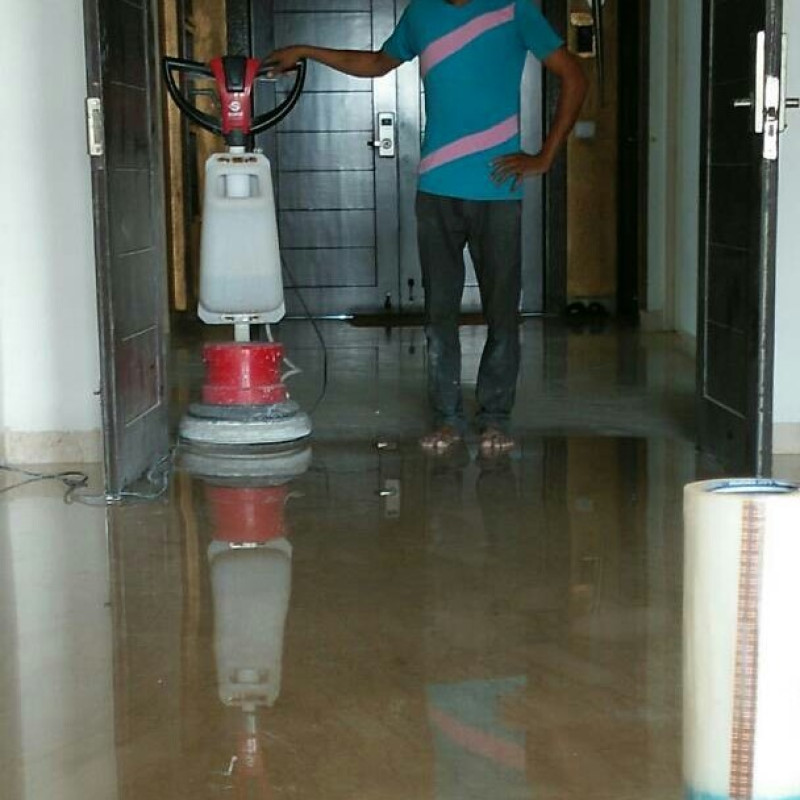
Coarse diamond pads eliminate scratches and unevenness. Wet grinding controls dust and keeps the site clean.
Honing and polishing
Finer abrasives gradually smooth the surface until the natural shine develops.
Hardening and sealing
Strengthening and protective treatments are applied for durability.
Final cleaning
All slurry and residue are cleared, leaving the floor neat and ready for use.
Clean and safe working practices
Polishing is often done inside occupied homes or offices, so cleanliness and safety are important. Wet grinding reduces dust. Waste is collected promptly. Tools and cables are arranged safely to avoid accidents.
Noise is kept moderate, and the area is cleaned daily to minimise inconvenience.
Suitable for residential and light commercial spaces
Residential
-
Living rooms
-
Bedrooms
-
Kitchens
-
Bathrooms
-
Staircases
-
Lobbies
Light commercial
-
Offices
-
Clinics
-
Shops
-
Reception areas
A polished marble floor improves brightness, hygiene, and overall appearance in both settings.
Easy maintenance and long-term value
After polishing and sealing, marble becomes easier to maintain. Dust does not settle easily, stains reduce, and mopping requires less effort. Mild cleaners are usually sufficient, while harsh chemicals should be avoided.
With proper care, the finish can last many years before another light maintenance polish is needed.
Restoring marble extends its lifespan and protects your investment.
Practical advice from experience
Quick chemical coatings may give temporary shine but often wear off quickly and can damage the stone. Proper grinding, polishing, and sealing always provide better and longer-lasting results.
The goal is a natural, smooth finish that looks clean, balanced, and timeless.
Our Process
7-step marble mirror finish method
Inspection
Assess stone, scratches and area
Grinding
Remove dull layer & lippage
Joint Filling
Glue or epoxy as needed
Diamond Honing
Pads 200 to 1500
Powder Polish
Nobile compound shine
Crystallization
Harden surface gloss
Mirror Finish
Final inspection & handoff
Neighborhoods we serve
Faridabad coverage areas
- Sector 21B
- Sector 55
- Sector 81
- Sector 35
- Sector 21D
- Sector 44
- Sector 64
- Charmwood Village
- Sector 18
- Sector 77
- Sector 21
- Sector 15
- Sector 14
- Sector 37
- Crown Plaza belt
- Old Faridabad
Call: +91 8607 001 043
Alt: +91 9466 730 013
Email: info@srmarblepolishing.com
Hours: Mon–Sun 8:00 AM – 8:00 PM
Reviews
Client feedback
Real client notes help new customers choose the right polish for their floor.
FAQ
Common questions about Marble Floor Polishing In Bhraman Wara-Faridabad
What is the price range for marble floor polishing in Bhraman Wara-Faridabad?
Our prices vary based on the size and condition of the floor, starting from Rs. 15 per sq. ft.
What is the process involved in marble floor polishing?
Our process includes grinding, honing, polishing, and sealing to restore the shine and finish of marble floors.
How long does marble floor polishing typically take?
The timeline depends on the area to be polished, but usually, it takes 1-2 days for completion.
Do you cover areas beyond Bhraman Wara-Faridabad for marble polishing?
Yes, we provide services across Delhi NCR, including Faridabad and surrounding areas.
What stone care tips do you recommend after marble polishing?
Regularly dusting and cleaning with a pH-neutral cleaner can help maintain the polished finish of the marble floor.
Is an inspection required before scheduling marble floor polishing?
Yes, we conduct a thorough inspection to assess the condition of the floor and recommend the appropriate polishing treatment.
How do you control dust during the marble polishing process?
We use advanced dust control equipment and techniques to minimize dust and ensure a clean working environment.
Do you offer special packages for societies or RWAs for marble polishing services?
Yes, we have customized packages and discounts available for societies and RWAs looking to polish multiple marble floors.
Can you provide a detailed breakdown of the pricing for marble polishing services?
Our pricing is transparent and includes costs for materials, labor, and any additional treatments required.
What is the recommended frequency for marble floor polishing to maintain its appearance?
We recommend polishing marble floors every 1-2 years to preserve the shine and durability of the stone.
Do you offer any warranties or guarantees for your marble polishing services?
Yes, we provide warranties on our workmanship and guarantee customer satisfaction with the results.
How can customers schedule an appointment for marble floor polishing?
Customers can contact us via phone or email to schedule a convenient time for the polishing service.
Are your marble polishing products and techniques safe for the environment?
Yes, we use eco-friendly products and methods to ensure minimal impact on the environment during the polishing process.
Do you provide maintenance tips for customers post-marble polishing?
We offer guidance on proper cleaning techniques and maintenance practices to extend the longevity of the polished marble floors.
Can customers request a demo or sample of your marble polishing services before booking?
Yes, we can arrange for a demo or sample polishing to showcase the quality of our services before finalizing the booking.
Do you have any customer reviews or testimonials for your marble polishing services in Bhraman Wara-Faridabad?
Yes, we have satisfied customer reviews and testimonials highlighting our expertise and professionalism in marble floor polishing.
We also do
Corian, onyx & scratch removal
Beyond this service — we polish Corian tabletops, onyx floors/tabletops and remove scratches across Delhi NCR.






Ready to restore the shine?
Book a free inspection for marble, Corian, onyx or scratch removal across Delhi, Gurgaon, Noida, Faridabad & Ghaziabad.