
Stone Care · Delhi
Marble Diamond Polishing Near Bawana Delhi-Delhi NCR
Apartment and lobby marble polishing in Diamond Bawana Ncr, Delhi with clear ₹/sq.ft quotes.
Typical ₹/sq.ft range · Final quote after free site inspection
- Same-day inspection in Delhi (Mon–Sun)
- Free on-site inspection
- Trained in-house technicians
- Taski-grade chemicals
- Satisfaction-focused handover
Marble Diamond Polishing Near Bawana Delhi-Delhi NCR
Skilled marble restoration with a practical, hands-on approach
Marble flooring has long been chosen for its natural beauty, strength, and timeless appearance. In many homes, offices, workshops, and small commercial units, marble still offers a clean and elegant base that suits both traditional and modern interiors. However, daily use slowly affects the surface. Foot traffic, dust, moisture, and furniture movement gradually reduce the original finish.
Over time, the floor that once looked bright and reflective begins to appear dull and patchy. Scratches become visible in sunlight, stains settle into the stone, and the surface starts feeling rough. Regular sweeping and mopping cannot fix these issues because the damage lies within the top layer of marble itself.
Professional polishing is designed to correct these problems properly. Instead of masking the surface, it carefully restores the stone by removing worn layers and rebuilding a smooth, dense finish. The result is a clean, natural shine that lasts for years and makes everyday maintenance easier.
My work is based on experience and careful workmanship rather than shortcuts. Each floor is treated individually, with the correct tools and methods suited to its actual condition.
What marble polishing really means
Many people assume polishing simply involves applying a chemical or wax to make the floor shine. In reality, true marble polishing is a controlled mechanical process.
Marble contains tiny pores and microscopic unevenness. As the floor ages, scratches, etching, and wear increase these irregularities. When light hits the surface, it scatters instead of reflecting evenly, which makes the marble look flat and lifeless.
Polishing corrects this by gradually smoothing the surface with diamond abrasives. Thin layers of damaged stone are removed until the floor becomes level and dense again. Once the surface is smooth, light reflects evenly, producing a natural gloss.
This shine comes from the stone itself, not from an artificial coating. That is why the finish looks authentic and lasts longer.
Common issues found in everyday marble floors
After years of working in residential and light commercial properties, I often see similar problems. Most are caused by normal use rather than poor quality stone.
Dull and faded surface
Constant walking slowly wears away the original polish. High-traffic areas lose their brightness first, especially living rooms and corridors.
Scratches and scuff marks
Dust and sand carried on footwear act like abrasives. Moving chairs, tables, and equipment leaves fine lines that become noticeable under light.
Stains and discolouration
Liquids such as tea, coffee, oil, and household cleaners seep into the marble. Since the stone is porous, stains cannot be removed by simple cleaning.
Uneven shine
Some areas appear glossy while others look matte. This often happens when previous polishing was incomplete or when certain sections receive more use.
Moisture damage
Bathrooms and kitchens may develop cloudy patches or rings caused by continuous exposure to water.
Small holes and cracks
Natural pinholes and hairline cracks collect dirt over time, creating dark spots and weakening the surface.
Although these issues look serious, most can be corrected with proper grinding and polishing without replacing the marble.
Why polishing is better than replacing the floor
When marble begins to look old, replacement may seem like the only option. In practice, it is usually unnecessary and costly.
Replacing the floor involves breaking the existing marble, creating heavy dust and noise, and spending on new materials and labour. It may also damage walls, doors, or furniture. Matching the original shade and pattern is rarely easy.
Polishing is a more practical solution.
It:
-
Restores the existing stone
-
Costs much less than replacement
-
Takes less time
-
Causes minimal disturbance
-
Preserves the original flooring
In most cases, a properly restored floor looks almost new again. Many clients are surprised by the improvement achieved without changing the marble.
Techniques used for reliable, long-term results
Good polishing depends on following the correct sequence and using professional equipment. Each step has a purpose, and skipping any stage reduces durability.
Diamond grinding and polishing
This is the foundation of the entire process.
Heavy-duty diamond pads are used in different grits. Coarse diamonds remove deep scratches, stains, and uneven levels between tiles. Medium grits smooth the surface. Fine grits refine the texture and enhance clarity.
Because diamonds cut evenly, the entire floor becomes flat and consistent. This produces uniform reflection and a balanced finish across the area.
Silicate hardening treatment
Marble is softer than many other stones. Over time, it can wear down quickly. A silicate hardener reacts with the stone minerals and increases surface density.
After treatment, the marble becomes:
-
Stronger
-
More resistant to scratches
-
Less absorbent
-
Longer lasting
This step helps maintain shine for a much longer period.
Nano coating and sealing
After polishing, a breathable nano sealer is applied. This reduces absorption of water, oil, and stains without forming a thick surface film.
The marble continues to look natural while becoming easier to clean and maintain.
Epoxy filling for pinholes and cracks
Small holes, gaps, and hairline cracks are filled with colour-matched epoxy or resin. This improves both appearance and strength, while preventing dirt buildup.
A filled surface looks smoother and more uniform.
Step-by-step work process
A systematic workflow ensures consistent results. Every project follows the same careful sequence.
Inspection
The marble type and condition are checked. Stains, cracks, and previous treatments are identified. Small test patches help select the correct abrasives and chemicals.
Preparation and protection
Furniture is moved or covered. Walls, skirting, and doors are protected with sheets. This keeps the surroundings safe during work.
Deep cleaning
Grease, dirt, and old coatings are removed. Grinding on a dirty surface reduces effectiveness, so proper cleaning is essential.
Grinding and levelling
Coarse diamonds remove scratches and unevenness. Water is used to control dust and keep the environment clean.
Honing and polishing
Finer abrasives gradually smooth the stone. Each stage improves clarity and reflection until the desired finish is achieved.
Hardening and sealing
Chemical treatments strengthen and protect the marble. After curing, the floor is buffed lightly.
Final cleaning
All slurry and residue are removed. The space is left neat and ready for use.
Clean and safe working practices
Working inside occupied homes and workplaces requires discipline and care.
Wet grinding methods reduce dust. Waste slurry is collected immediately instead of spreading around. Tools and cables are managed safely to prevent accidents.
Noise and disruption are kept as low as possible. At the end of each day, the area is cleaned and organised.
The aim is to complete the work efficiently without disturbing daily life.
Suitable for both homes and commercial spaces
Polishing is useful in many types of properties.
Residential
-
Living rooms
-
Bedrooms
-
Kitchens
-
Bathrooms
-
Staircases
-
Lobbies
A polished marble floor improves brightness and makes routine cleaning easier.
Light commercial
-
Offices
-
Clinics
-
Retail shops
-
Studios
-
Reception areas
These areas benefit from a durable surface that handles regular traffic while maintaining a professional look.
Easier maintenance and longer lifespan
After proper polishing and sealing, maintenance becomes simple.
Dust does not settle easily, stains are less likely, and mopping takes less effort. Mild cleaners are sufficient. Strong chemicals are unnecessary and should be avoided.
With basic care, the finish can last for many years before another light polish is needed.
Practical advice based on experience
From years of working directly on stone floors, one thing is clear: marble responds best to careful and patient treatment. Quick fixes, wax coatings, and harsh chemicals often cause long-term damage.
A slow, methodical polishing process always delivers better and more reliable results. It protects the stone and saves money over time.
My goal is straightforward workmanship and honest advice. The finished floor should look natural, smooth, and balanced, not overly glossy or artificial.
Choose your path
Apartment or commercial floor?
Different access rules and timelines — pick the path that matches your property.
Apartment / society flat
2–3 BHK living rooms, Italian marble, RWA-friendly low-dust process.
WhatsApp flat photosOffice / lobby / commercial
Office lobbies and commercial floors — weekend or after-hours slots available.
WhatsApp commercial quoteProof
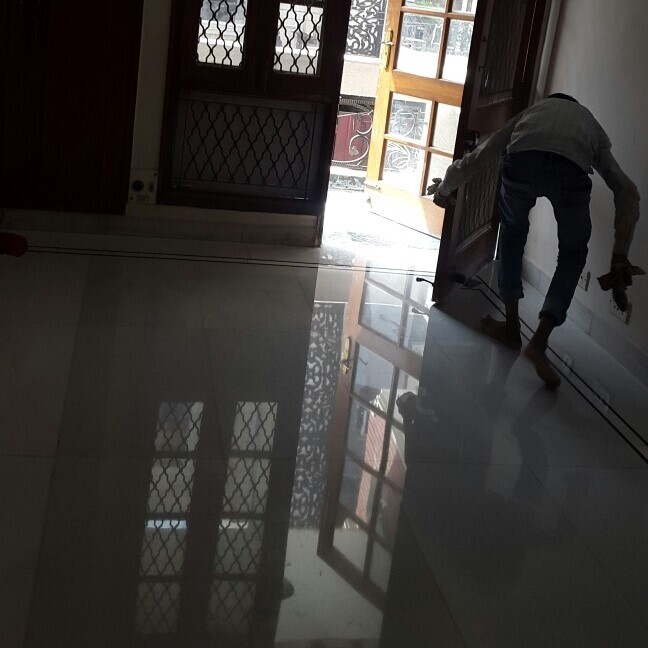
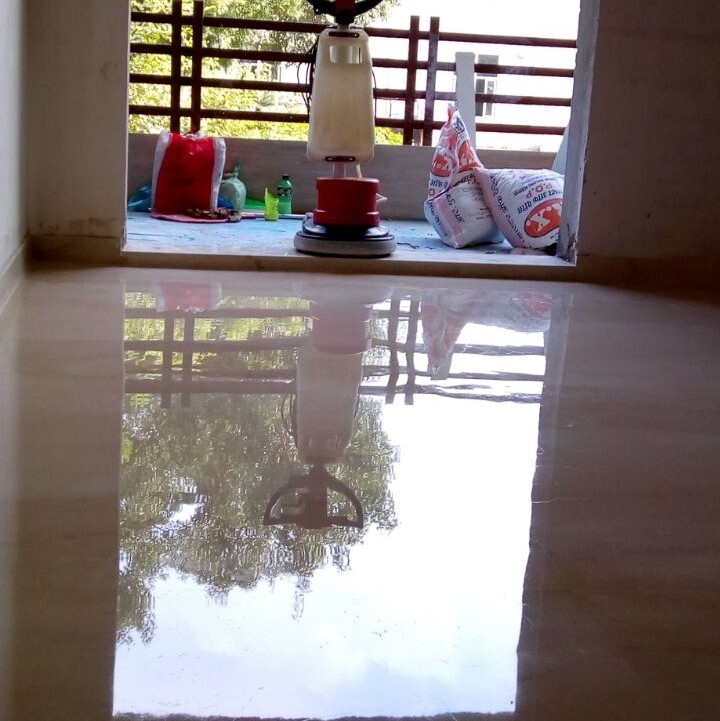
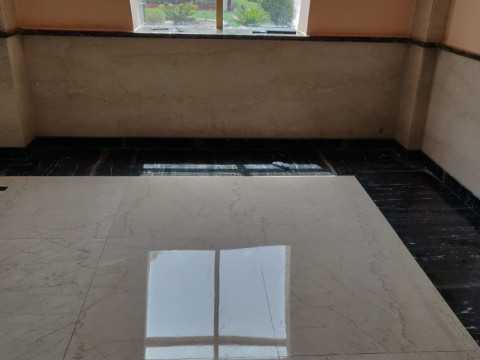
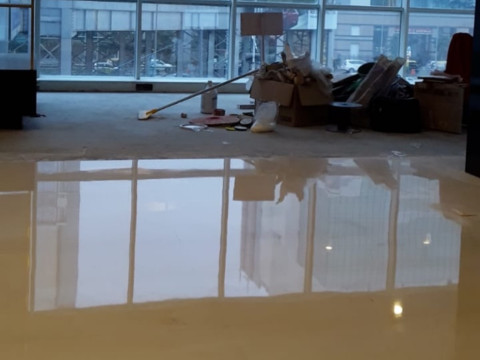
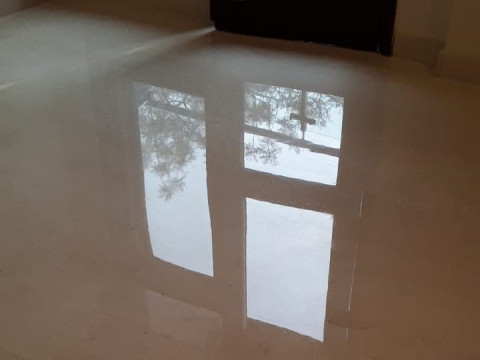
Before & after marble finish
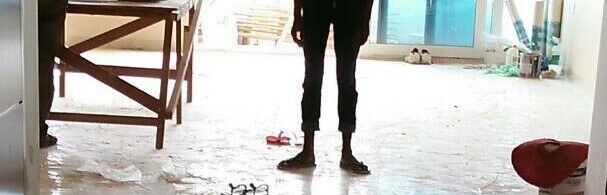
Drag the slider to compare dull floors with restored mirror gloss.
 Before
After
Before
After

 Before
After
Before
After
 Before
After
Before
After
 Before
After
Before
After
Pricing
Delhi marble polishing rates
Indicative ₹/sq.ft bands — final quote after free on-site inspection.
| Package | Typical range |
|---|---|
| Basic / maintenance polish | ₹15 – ₹30 /sq.ft |
| Diamond multi-stage polish | ₹20 – ₹45 /sq.ft |
| Grinding + polishing | ₹30 – ₹60 /sq.ft |
| Epoxy fill + polish | ₹40 – ₹75 /sq.ft |
| Nano coating (optional) | ₹10 – ₹20 /sq.ft extra |
Our Process
7-step marble mirror finish method
Inspection
Assess stone, scratches and area
Grinding
Remove dull layer & lippage
Joint Filling
Glue or epoxy as needed
Diamond Honing
Pads 200 to 1500
Powder Polish
Nobile compound shine
Crystallization
Harden surface gloss
Mirror Finish
Final inspection & handoff
Neighborhoods we serve
Delhi coverage areas
- Anand Niketan
- Khan Market
- Tilak Nagar
- Karol Bagh
- Okhla Phase 1
- Jor Bagh
- Lajpat Nagar
- Barakhamba Road
- Vasant Vihar
- Jangpura
- CR Park
- Patparganj
- Defence Colony
- Vikaspuri
- Golf Links
- Panchsheel Park
Call: +91 86070 01043
Alt: +91 9466 730 013
Email: info@srmarblepolishing.com
Hours: Mon–Sun 8:00 AM – 8:00 PM
Reviews
Client feedback
Real client notes help new customers choose the right polish for their floor.
FAQ
Common questions about Marble Diamond Polishing Near Bawana Delhi-Delhi NCR
Can you polish marble in old DDA flats without vacating?
Yes. We section off rooms, use low-dust diamond pads and dry-vacuum in Delhi DDA and co-op flats. Furniture can stay if paths are cleared.
Does Delhi hard water stain marble after polishing?
Hard water leaves etch marks on bathroom marble. We recommend sealing after polish and share simple wipe-down steps for Delhi's mineral-heavy supply.
How much does marble polishing cost in Delhi?
Packages are quoted in ₹/sq.ft after we check stone type, damage and access. Share photos on WhatsApp for a fast range, then we confirm on free inspection in Delhi.
Do you handle society / RWA permissions in Delhi?
Yes. We share method notes, protect lifts/common areas and work in approved noise windows for gated societies across Delhi.
Is dust controlled during marble polishing in apartments?
We use wet grinding and vacuum recovery where practical, plus floor protection, to keep slurry and dust controlled in occupied homes.
Do you cover both Delhi and New Delhi?
Yes — Delhi and New Delhi are one service zone for SR Marble. Mention your sector or society when you book.
How is the final price decided?
We confirm stone/surface type, damage level and sq.ft on inspection, then share a clear ₹ range before starting.
How long does the job take?
Most apartments finish in 1–3 days. Large commercial floors are phased around your schedule.
Do you polish Corian, onyx and remove scratches too?
Yes — Corian tabletops/counters, onyx tabletops and floors, and scratch removal on stone and solid surfaces across Delhi NCR.
Do you serve Gurgaon, Noida and Faridabad?
Yes — full Delhi NCR coverage including Greater Noida, Ghaziabad and nearby sectors.
Is furniture moving included?
Light shifting can be arranged; heavy items should be cleared or discussed before the crew arrives.
How much does Marble Diamond Polishing Near Bawana Delhi-Delhi NCR usually cost?
Typical Delhi NCR packages are quoted in ₹/sq.ft after we check stone type, damage and access. Share photos on WhatsApp for a fast range, then we confirm on free inspection.
How long will Marble Diamond Polishing Near Bawana Delhi-Delhi NCR take on site?
Most apartments finish in 1–3 days. Larger lobbies or commercial floors are phased around your schedule with clear daily milestones.
Do you handle societies and RWA permissions?
Yes. We share method notes, protect lifts/common areas and work in approved noise windows for gated societies.
Will there be dust during polishing?
We use wet grinding and vacuum recovery where practical, plus floor protection, to keep slurry and dust controlled in occupied homes.
Do you polish Italian marble, granite and Corian too?
Yes — Italian marble, granite, Kota, Corian tabletops/counters, onyx and scratch removal with pads and chemistry matched to each surface.
Is inspection free for Marble Diamond Polishing Near Bawana Delhi-Delhi NCR?
Yes. Call or WhatsApp your location and floor photos for a free inspection and clear next steps.
Which areas do you cover near this location?
We schedule crews for this city and nearby localities. Share your area on WhatsApp and we confirm the next inspection slot.
We also do
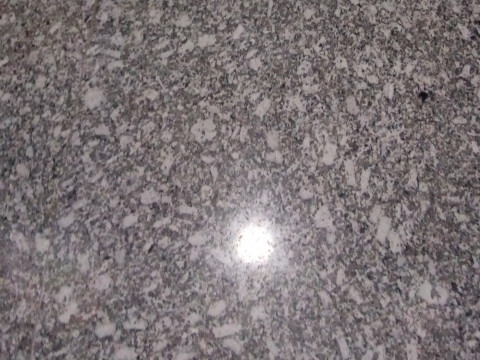
Corian, onyx & scratch removal
Beyond this service — we polish Corian tabletops, onyx floors/tabletops and remove scratches across Delhi NCR.





-480x360-c.JPG)


Ready to restore the shine?
Book a free inspection for marble, Corian, onyx or scratch removal across Delhi, Gurgaon, Noida, Faridabad & Ghaziabad.