Marble Floor Polishing In Bodaki-Greater Noida
Careful marble restoration with practical, hands-on workmanship
Marble flooring is widely used in independent houses, newly built flats, and small commercial spaces because it offers strength, durability, and a naturally elegant finish. It keeps interiors cool during warm weather and reflects light well, making rooms appear brighter and cleaner. When first installed, marble looks smooth and glossy. With daily use, however, that natural shine slowly fades.
Foot traffic, dust from nearby roads, shifting furniture, and moisture gradually wear down the top layer of the stone. The floor begins to look dull, fine scratches become visible, and certain sections appear darker or stained. Even regular mopping cannot fully restore the original clarity.
This happens because the marble surface itself has worn out, not simply because it is dirty.
Professional polishing restores the stone correctly by refining the damaged layer rather than applying temporary surface coatings. The result is a smooth, level, naturally reflective floor that looks fresh again and remains easier to maintain for years.
Each project is handled patiently with proper equipment and practical site experience to ensure consistent and long-lasting results.
What marble polishing actually does
Polishing is often mistaken for waxing or adding chemicals for shine. In reality, proper marble polishing is a mechanical stone restoration process.
Over time, marble develops:
-
Fine scratches from sand and grit
-
Etch marks caused by acidic liquids
-
Tiny pores and pits that trap dirt
-
Uneven wear in high-traffic zones
These small defects scatter light and make the floor look cloudy or lifeless.
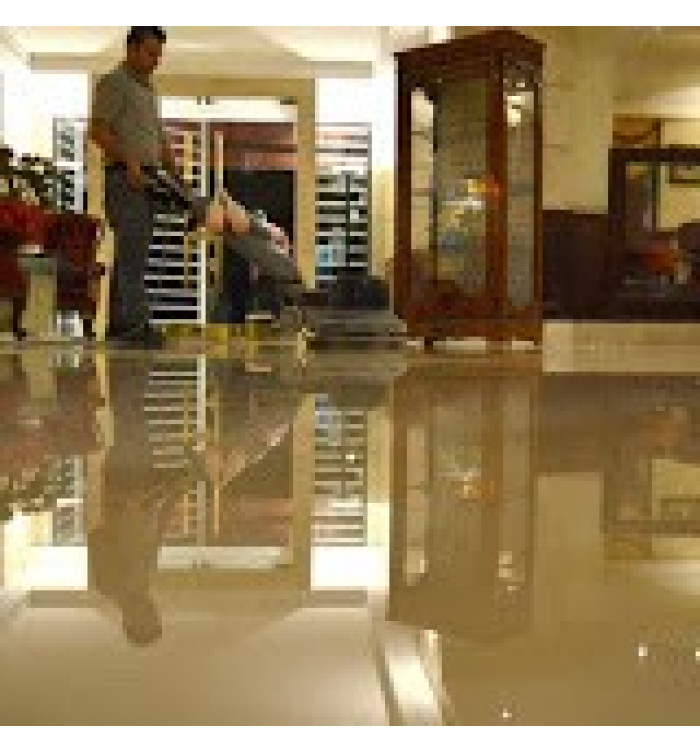
Using industrial diamond abrasives step by step, thin layers of worn marble are removed. The surface becomes flat and compact again. Once refined, light reflects evenly, producing a clean and natural shine.
Because the gloss comes directly from the marble itself, it looks authentic and lasts much longer than artificial finishes.
Common problems seen in everyday marble floors
From regular work inside homes and offices, certain issues appear repeatedly.
Loss of shine
Living rooms, corridors, and entrances lose brightness first due to constant movement.
Scratches and scuff marks
Furniture dragging and dust under footwear create visible lines.
Stains and dark patches
Oil, tea, coffee, and cleaning chemicals soak into porous marble and leave stubborn marks.
Uneven finish
Some areas remain glossy while others appear flat, giving the floor a patchy look.
Moisture spots
Bathrooms and kitchens often develop cloudy patches due to frequent water exposure.
Pinholes and small cracks
Natural holes collect dirt and disturb the smooth appearance.
Most of these problems can be corrected effectively through proper restoration without replacing the marble.
Why polishing is better than replacing the floor
Replacing marble flooring is costly and disruptive. Breaking the old surface creates heavy dust, noise, and extra labour. Finding the same marble shade is also difficult.
Polishing is usually the more practical and economical solution.
It:
-
Restores the existing marble
-
Costs far less than replacement
-
Requires less time
-
Causes minimal disturbance
-
Preserves the original flooring
In many cases, a restored floor looks almost new again without the hassle of renovation work.
Professional techniques used for durable results
Long-lasting results depend on correct tools and a systematic method. Each stage improves both durability and appearance.
Diamond grinding and polishing
This forms the base of marble restoration.
Different grit diamond pads are used gradually. Coarse pads remove deep scratches and uneven levels. Medium pads smooth the surface. Fine pads refine the marble and bring out clarity.
Because diamonds cut evenly, the entire floor becomes flat and consistent, producing uniform reflection.
Silicate hardening treatment
Marble is softer than granite and can wear faster. A silicate hardener reacts with the surface and increases density.
This makes the marble:
-
Harder and stronger
-
Less porous
-
More resistant to daily wear
-
Longer lasting in finish
Nano coating and surface sealing
After polishing, a breathable nano sealer is applied. It protects against stains and moisture while keeping the natural look intact.
Cleaning becomes easier and maintenance reduces over time.
Epoxy filling for pinholes and cracks
Small holes and hairline cracks are filled with colour-matched epoxy. This improves uniformity and prevents dirt accumulation.
Step-by-step work process
A clear workflow ensures neat and professional results on every project.
Inspection
The marble type and condition are checked carefully. Test patches help decide the correct grinding sequence.
Preparation
Furniture is moved or covered. Walls, skirting, and nearby areas are protected.
Deep cleaning
Old residues, grease, and dirt are removed before grinding.
Grinding and levelling
Coarse diamond pads remove scratches and unevenness. Wet grinding controls dust.
Honing and polishing
Finer abrasives gradually smooth the surface until the natural shine develops.
Hardening and sealing
Strengthening and protective treatments are applied.
Final cleaning
All slurry and residue are cleared, leaving the floor clean and ready for use.
Clean and safe working practices
Polishing work is often done in occupied homes or offices, so cleanliness is important. Wet grinding reduces dust. Waste is collected promptly. Tools and cables are arranged safely to avoid accidents.
Noise is kept moderate, and the area is cleaned daily to minimise inconvenience.
Suitable for residential and light commercial spaces
Residential
-
Living rooms
-
Bedrooms
-
Kitchens
-
Bathrooms
-
Staircases
-
Lobbies
Light commercial
-
Offices
-
Clinics
-
Shops
-
Reception areas
A polished marble floor improves brightness, hygiene, and overall presentation in both settings.
Easy maintenance and long-term value
After polishing and sealing, marble becomes easier to maintain. Dust does not settle easily, stains reduce, and simple mopping is usually enough. Mild cleaners are sufficient, while harsh chemicals should be avoided.
With proper care, the finish can last many years before another light maintenance polish is required.
Restoring marble extends its lifespan and protects your investment without unnecessary replacement.
Practical advice from experience
Quick chemical coatings may provide temporary shine but rarely last and can damage the stone. Proper grinding, polishing, and sealing always give better and more reliable results.
A natural, smooth finish that comes directly from the marble remains the most durable and professional solution.

Amrapali Greens- Ghaziabad

Meghdutam Apartment - Noida

Noida Sector 59

NEC Technologies

GREATER KAILASH- DELHI

Haldor Topsoe India Private Ltd- Faridabad

Unayur Marketing - Delhi

Heritage Max - Gurgaon

Alliance Constructions- Gurgaon


FREE INSPECTION

BOOKING

WORK STARTED

BEST QUALITY SERVICE

GUARANTEED SATISFACTION