Marble Floor Polishing In Chander Vihar-Delhi
Practical marble restoration for homes, flats and small offices
Marble floors are chosen for their natural elegance, strength and long life. They keep interiors cool, reflect light softly and make rooms feel clean and spacious. When freshly laid, marble looks smooth and evenly polished. Over time, however, everyday use slowly reduces that finish.
The shine becomes dull. Fine scratches appear in walking areas. Spills leave marks that don’t fully disappear. Some sections look bright while others seem flat and patchy. Even after regular cleaning, the floor never feels completely fresh.
In most homes and small properties, the marble itself is still perfectly strong. It does not need replacement. What it really needs is proper surface restoration.
With the correct machines and a careful, step-by-step process, the stone can be brought back to its natural finish without demolition or heavy dust. My work focuses on neat, reliable results that last for years rather than temporary cosmetic shine.
What marble polishing actually means
Polishing is often mistaken for applying wax or a glossy chemical. These treatments only sit on the surface and wear away quickly. After a short time, the floor looks dull again.
Professional marble polishing is different.
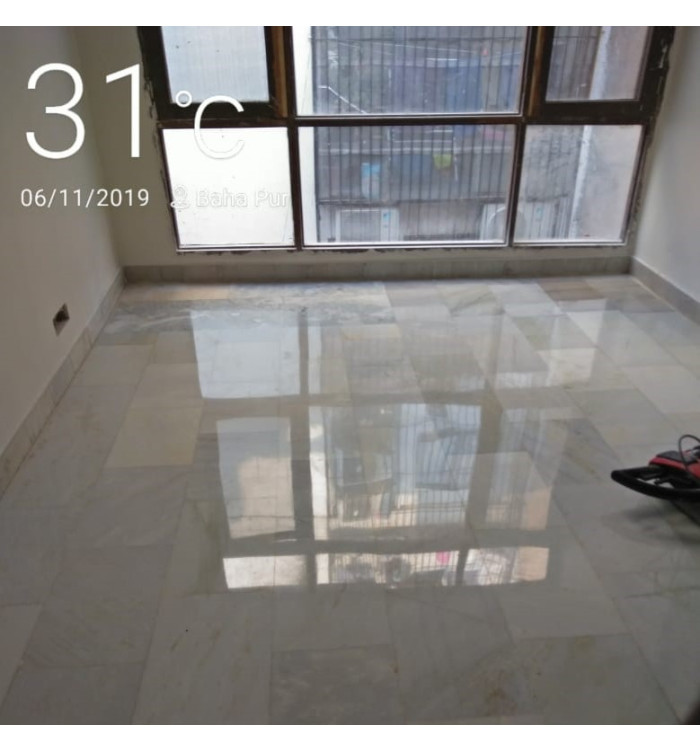
It is a mechanical process that refines the marble itself. Using industrial diamond abrasives, a thin layer of the surface is gradually removed. Scratches, stains and uneven areas are corrected. As the stone becomes smoother and level, it reflects light evenly.
This creates a natural shine that comes directly from the marble.
Because there is no artificial coating, the finish looks authentic, feels solid and lasts much longer.
Why marble floors lose their shine over time
Marble is durable but still a natural calcium-based stone. Daily wear slowly affects its surface.
In residential neighbourhoods, the most common causes include:
-
Dust and sand brought in from outside
-
Regular foot traffic
-
Furniture dragging
-
Hard water stains
-
Oil, tea and food spills
-
Strong or acidic cleaning products
Each of these creates tiny scratches or weakens the polish. Over the years, the marble becomes cloudy and uneven. The floor may look older than it actually is.
Fortunately, most of this damage remains on the surface and can be corrected professionally.
Common problems noticed during inspection
Before any work begins, the entire floor is inspected carefully. This helps select the correct treatment without unnecessary grinding.
Typical issues include:
Dull and lifeless finish
The marble lacks brightness even after cleaning.
Fine scratches and scuff marks
High-traffic areas show visible wear lines that reduce clarity.
Stains and dark patches
Oil, rust, moisture or spills leave marks that normal cleaners cannot remove.
Uneven shine
Some parts reflect light well while others appear matte.
Pinholes and minor cracks
Natural voids trap dirt and make the surface rough.
Slight tile level differences
Edges collect grime and make mopping difficult.
These problems may look serious but are usually repairable without replacing the marble.
Why polishing is better than replacing marble
Replacing marble is often unnecessary and expensive. Removing the existing floor creates dust, noise and debris. Matching new marble with the old design can be difficult. Installation takes time and disrupts daily life.
Polishing is far more practical.
The original stone remains in place. There is no demolition and very little inconvenience. Costs are lower, and the restored floor often looks almost new.
For homeowners and small businesses, restoration offers better value and quicker results.
Techniques used during professional restoration
Each marble floor is treated according to its condition. A combination of proven methods ensures safe and long-lasting results.
Diamond grinding and polishing
This is the foundation of the process.
Diamond pads of different grit sizes are used step by step. Coarse pads remove deep scratches and stains. Medium pads smooth the surface. Fine pads refine the marble and bring out clarity and shine.
This gradual approach levels the floor safely without removing excess stone.
Silicate hardening treatment
After grinding, a silicate-based hardener may be applied.
It reacts with the marble and increases surface density. The stone becomes stronger, less porous and more resistant to wear, helping the polish last longer.
Epoxy filling for cracks and pinholes
Small cracks, joints and holes are filled with colour-matched epoxy.
Once cured, these areas are polished flush with the rest of the floor, creating a seamless finish.
Nano coating and surface sealing
A breathable nano sealer is applied for protection.
It penetrates into the stone rather than forming a thick layer on top. This reduces water and oil absorption and makes routine cleaning easier.
Step-by-step working process
Consistent results come from following a structured sequence.
Inspection
The marble type and level of wear are assessed.
Deep cleaning
Professional machines remove embedded dirt and residues.
Surface correction
Coarse grinding eliminates scratches, stains and uneven edges.
Refinement
Medium and fine abrasives smooth the marble gradually.
Polishing
High-grit pads restore the natural gloss.
Repairs and strengthening
Cracks are filled and hardener treatment applied where required.
Sealing and finishing
Protective sealer is applied and the floor is cleaned thoroughly.
Each stage is completed patiently to achieve an even finish.
Clean and safe working practices
Work inside homes must be tidy and controlled.
Modern wet grinding methods significantly reduce dust. Furniture and nearby areas are covered with protective sheets. Slurry and water are managed properly and cleaned promptly. Electrical safety is maintained throughout.
Work can be done section by section so daily life continues comfortably.
The aim is always to restore the floor with minimal disturbance.
Suitable for different types of spaces
This service works well for:
-
Living rooms and bedrooms
-
Kitchens and corridors
-
Staircases
-
Flats and builder floors
-
Small offices and clinics
-
Neighbourhood shops
A properly polished marble floor improves both appearance and ease of maintenance.
Durability and long-term value
Because the shine comes from the stone itself rather than a temporary coating, professionally polished marble lasts much longer.
With simple care, the finish can remain good for many years before any light maintenance is needed. This reduces repeat costs and provides better long-term value.
Simple maintenance tips
After restoration:
-
Use mild, pH-neutral cleaners
-
Avoid acidic or harsh chemicals
-
Clean spills promptly
-
Place mats at entrances
-
Avoid dragging heavy furniture
-
Schedule periodic inspection if required
These small habits help protect the finish.
Experience and careful workmanship
Marble restoration requires patience and correct judgement. Incorrect grinding or unsuitable products can permanently damage the stone.
Hands-on experience helps in choosing the right tools and sequence for each floor. Every project is handled carefully to achieve a natural, uniform finish that lasts.
The goal is simple: restore the marble so it looks clean, smooth and durable for years to come.

Amrapali Greens- Ghaziabad

Meghdutam Apartment - Noida

Noida Sector 59

NEC Technologies

GREATER KAILASH- DELHI

Haldor Topsoe India Private Ltd- Faridabad

Unayur Marketing - Delhi

Heritage Max - Gurgaon

Alliance Constructions- Gurgaon


FREE INSPECTION

BOOKING

WORK STARTED

BEST QUALITY SERVICE

GUARANTEED SATISFACTION