
Stone Care · Noida
Best Marble Polishing Near Chaprauli Bangar Noida-Delhi NCR
Scratch removal & gloss restore for marble floors across Chaprauli Bangar Delhi Ncr, Noida.
Typical ₹/sq.ft range · Final quote after free site inspection
- Same-day inspection in Noida (Mon–Sun)
- Free on-site inspection
- Trained in-house technicians
- Taski-grade chemicals
- Satisfaction-focused handover
Best Marble Polishing Near Chaprauli Bangar Noida-Delhi NCR
Practical marble floor restoration for homes, builder floors and small commercial spaces
Marble floors have always been a dependable choice for residential properties. They feel cool underfoot, look bright and add a clean, finished appearance to any room. When newly installed, marble reflects light evenly and the surface looks smooth and fresh. After years of everyday use, however, that natural shine slowly fades.
You may notice dull patches in corridors, scratches near entrances and stains that do not disappear with regular cleaning. Some areas remain slightly glossy while others look flat and worn. No matter how much you mop, the floor never quite regains its original look.
In most cases, the marble itself is still strong and intact. There is no need to replace it. What it really needs is proper surface correction and professional polishing.
With the right equipment and a careful, step-by-step approach, marble can be restored to its natural finish without demolition or heavy dust. My work focuses on neat, long-lasting results that suit real homes rather than short-term cosmetic shine.
What marble polishing actually means
Many people think polishing means applying wax or a glossy chemical. These treatments only coat the surface and wear off quickly. Once the layer fades, the dullness returns.
Professional marble polishing is different.
It is a mechanical process that refines the stone itself. Using industrial diamond abrasives, a thin layer of the marble surface is gradually removed. Scratches, stains and uneven areas are corrected step by step. As the marble becomes smoother and level, it reflects light evenly.
This creates a natural shine that comes directly from the marble.
Because there is no artificial coating, the finish looks authentic and lasts much longer.
Why marble floors lose their shine over time
Marble is durable but still a natural calcium-based stone. Everyday wear slowly affects its surface.
In residential neighbourhoods and small commercial units, common causes include:
-
Dust and sand carried in from outside
-
Regular foot traffic
-
Furniture dragging
-
Hard water stains
-
Food, oil and tea spills
-
Strong or acidic cleaning products
Each of these creates tiny scratches or weakens the polish. Over time, the marble becomes cloudy and uneven. The floor may look older than it actually is.
Fortunately, most of this damage remains on the top layer and can be corrected through proper restoration.
Common problems noticed during inspection
Before starting any work, the entire floor is inspected carefully. This helps determine the right treatment without unnecessary grinding.
Typical issues include:
Dull and lifeless finish
The marble lacks brightness even after cleaning.
Fine scratches and traffic marks
Walking areas show visible wear lines.
Stains and dark patches
Oil, rust, moisture or spills leave marks that household cleaners cannot remove.
Uneven shine
Some sections look glossy while others appear matte.
Pinholes and minor cracks
Natural voids trap dirt and affect smoothness.
Slight height differences between tiles
Edges collect grime and make mopping difficult.
These problems may look serious but are usually repairable without replacing the marble.
Why polishing is better than replacing marble
Replacing marble often seems like a permanent solution, but it is usually unnecessary and expensive.
Breaking the old floor creates dust, noise and debris. Matching new marble with the existing design can be difficult. Installation takes time and disrupts daily life.
Polishing is far more practical.
The original stone stays in place. There is no demolition and very little disturbance. Costs are lower and the restored floor often looks almost new.
For homeowners and small property owners, restoration offers better value and quicker completion.
Techniques used during professional restoration
Each marble floor is treated according to its condition. A combination of proven methods ensures safe and durable results.
Diamond grinding and polishing
This is the foundation of the process.
Diamond pads of different grit sizes are used step by step. Coarse pads remove deep scratches and stains. Medium pads smooth the surface. Fine pads refine the marble and develop clarity and shine.
This gradual approach levels the floor safely without removing excess stone.
Silicate hardening treatment
After grinding, a silicate-based hardener may be applied.
It reacts with the marble and increases surface density. The stone becomes stronger and less porous, helping the polish last longer.
Epoxy filling for cracks and pinholes
Small cracks, joints and holes are filled with colour-matched epoxy.
Once cured, these areas are polished flush with the rest of the floor, creating a seamless finish.
Nano coating and surface sealing
A breathable nano sealer is applied for protection.
It penetrates into the stone rather than forming a thick layer on top. This reduces water and oil absorption and makes routine cleaning easier.
Step-by-step working process
Consistent results come from following a structured sequence.
Inspection
The marble type and damage level are assessed.
Deep cleaning
Professional machines remove embedded dirt and residues.
Surface correction
Coarse grinding eliminates scratches, stains and uneven edges.
Refinement
Medium and fine abrasives smooth the marble gradually.
Polishing
High-grit pads restore the natural gloss.
Repairs and strengthening
Cracks are filled and hardener treatment applied where required.
Sealing and finishing
Protective sealer is applied and the floor is cleaned thoroughly.
Each stage is completed patiently to achieve an even finish.
Clean and safe working practices
Work inside homes and offices must be neat and controlled.
Modern wet grinding methods significantly reduce dust. Furniture and nearby areas are covered with protective sheets. Slurry and water are managed properly and cleaned promptly. Electrical safety is maintained throughout.
Work can be done section by section so daily activities continue comfortably.
The aim is always to restore the floor with minimal disturbance.
Suitable for different types of spaces
This service is ideal for:
-
Living rooms and bedrooms
-
Kitchens and corridors
-
Staircases
-
Builder floors and independent houses
-
Small offices and clinics
-
Shops and local businesses
A properly polished marble floor improves both appearance and ease of maintenance.
Durability and long-term value
Because the shine comes from the stone itself rather than a temporary coating, professionally polished marble lasts much longer.
With simple care, the finish can remain good for many years before any light maintenance is required. This reduces repeat expenses and provides better long-term value.
Simple maintenance tips
After restoration:
-
Use mild, pH-neutral cleaners
-
Avoid acidic or harsh chemicals
-
Clean spills promptly
-
Place mats at entrances
-
Avoid dragging heavy furniture
-
Schedule periodic inspection if required
These small habits help protect the finish.
Experience and careful workmanship
Marble restoration requires patience and proper judgement. Incorrect grinding or unsuitable products can permanently damage the stone.
Hands-on experience helps in choosing the right tools and sequence for each floor. Every project is handled carefully to achieve a natural, uniform finish that lasts.
The aim is simple: restore the marble so it looks clean, smooth and durable for years to come.
Choose your path
Apartment or commercial floor?
Different access rules and timelines — pick the path that matches your property.
Apartment / society flat
2–3 BHK living rooms, Italian marble, RWA-friendly low-dust process.
WhatsApp flat photosOffice / lobby / commercial
Office lobbies and commercial floors — weekend or after-hours slots available.
WhatsApp commercial quoteProof
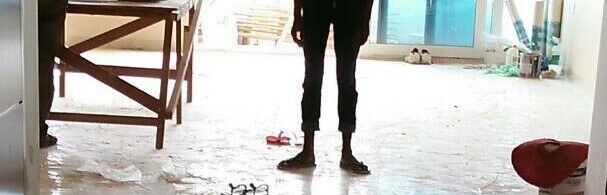
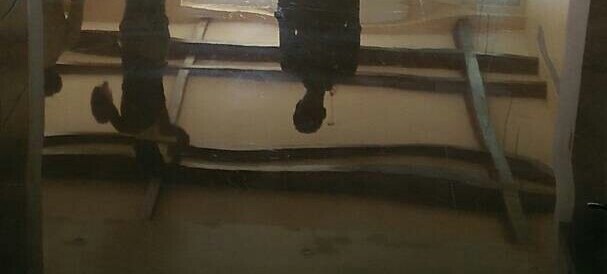
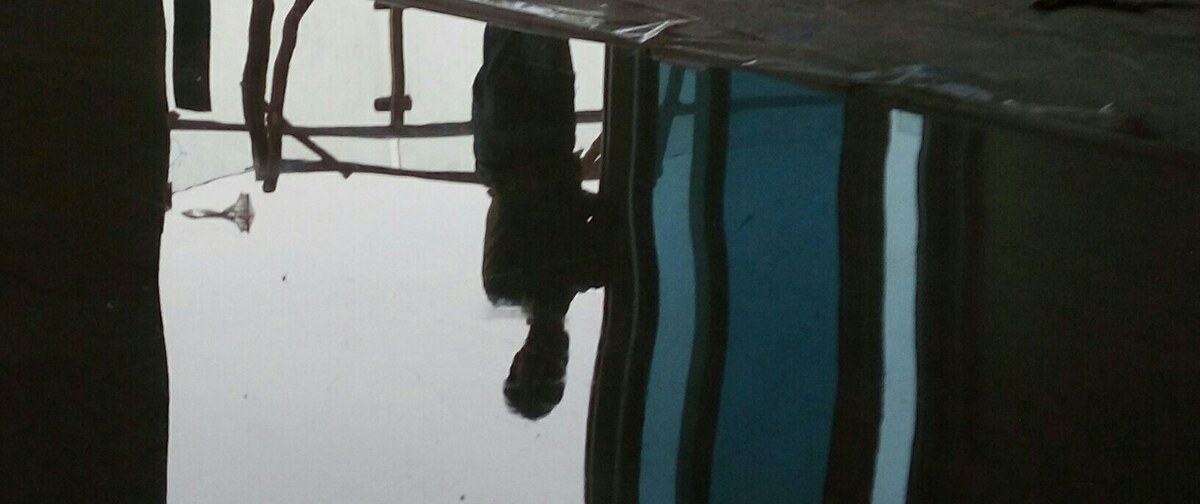
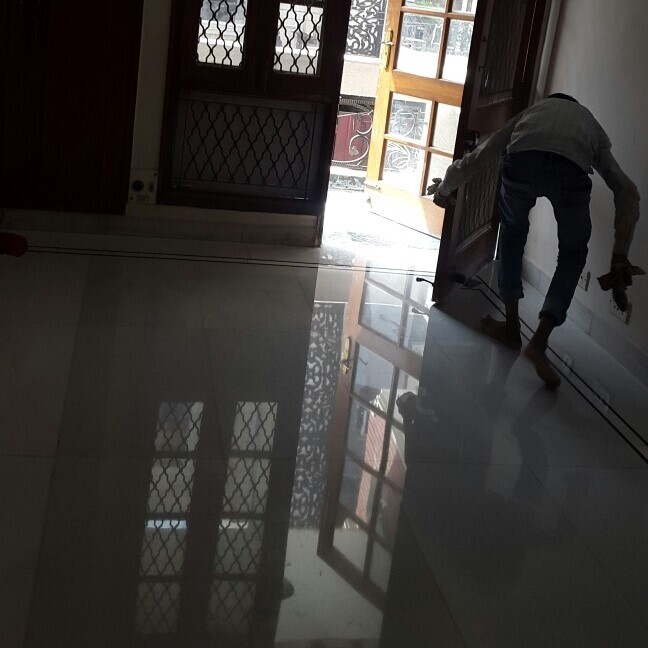
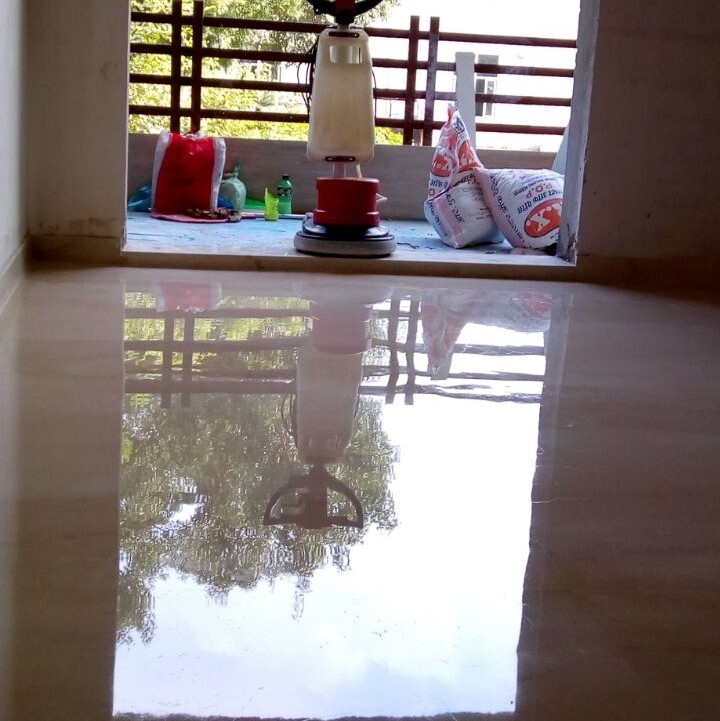
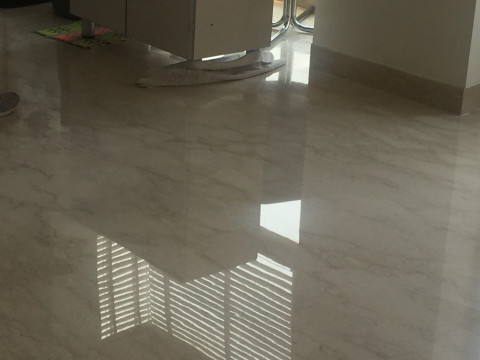
Before & after marble finish
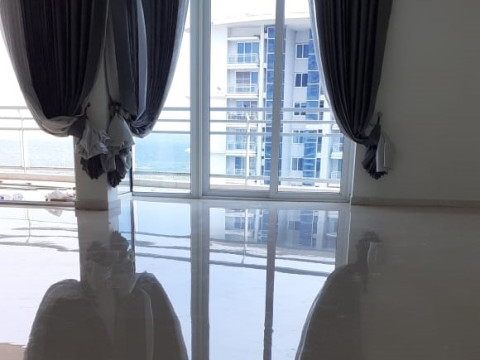
Drag the slider to compare dull floors with restored mirror gloss.
 Before
After
Before
After

 Before
After
Before
After

 Before
After
Before
After

 Before
After
Before
After
Pricing
Noida marble polishing rates
Indicative ₹/sq.ft bands — final quote after free on-site inspection.
| Package | Typical range |
|---|---|
| Basic / maintenance polish | ₹15 – ₹30 /sq.ft |
| Diamond multi-stage polish | ₹20 – ₹45 /sq.ft |
| Grinding + polishing | ₹30 – ₹60 /sq.ft |
| Epoxy fill + polish | ₹40 – ₹75 /sq.ft |
| Nano coating (optional) | ₹10 – ₹20 /sq.ft extra |
Our Process
7-step marble mirror finish method
Inspection
Assess stone, scratches and area
Grinding
Remove dull layer & lippage
Joint Filling
Glue or epoxy as needed
Diamond Honing
Pads 200 to 1500
Powder Polish
Nobile compound shine
Crystallization
Harden surface gloss
Mirror Finish
Final inspection & handoff
Neighborhoods we serve
Noida coverage areas
- Sector 52
- Sector 46
- Sector 21
- Sector 19
- Sector 35
- Sector 51
- Sector 132
- Sector 93
- Film City
- Sector 144
- Sector 15
- Sector 41
- Sector 40
- Sector 44
- Sector 25
- Sector 33
Call: +91 86070 01043
Alt: +91 9466 730 013
Email: info@srmarblepolishing.com
Hours: Mon–Sun 8:00 AM – 8:00 PM
Reviews
Client feedback
Real client notes help new customers choose the right polish for their floor.
FAQ
Common questions about Best Marble Polishing Near Chaprauli Bangar Noida-Delhi NCR
Do you serve Sector 62 and Sector 18 Noida?
Yes — Sector 18, 62, 76, 137 and Greater Noida West border areas are covered with daily Noida crews.
How do Noida RWAs handle polishing noise?
We use quieter planetary machines where possible and stick to 10am–6pm slots unless the society approves extended hours.
How much does marble polishing cost in Noida?
Packages are quoted in ₹/sq.ft after we check stone type, damage and access. Share photos on WhatsApp for a fast range, then we confirm on free inspection in Noida.
Do you handle society / RWA permissions in Noida?
Yes. We share method notes, protect lifts/common areas and work in approved noise windows for gated societies across Noida.
Is dust controlled during marble polishing in apartments?
We use wet grinding and vacuum recovery where practical, plus floor protection, to keep slurry and dust controlled in occupied homes.
How is the final price decided?
We confirm stone/surface type, damage level and sq.ft on inspection, then share a clear ₹ range before starting.
How long does the job take?
Most apartments finish in 1–3 days. Large commercial floors are phased around your schedule.
Do you polish Corian, onyx and remove scratches too?
Yes — Corian tabletops/counters, onyx tabletops and floors, and scratch removal on stone and solid surfaces across Delhi NCR.
Do you serve Gurgaon, Noida and Faridabad?
Yes — full Delhi NCR coverage including Greater Noida, Ghaziabad and nearby sectors.
Is furniture moving included?
Light shifting can be arranged; heavy items should be cleared or discussed before the crew arrives.
What is the price range for marble floor polishing in Chaprauli Bangar-Noida?
Our prices vary based on the size and condition of the area, typically starting from INR 15 per sq. ft.
What is the process involved in marble floor polishing?
Our process includes grinding, honing, and polishing to restore the marble's shine and smoothness.
How long does marble floor polishing take in Chaprauli Bangar-Noida?
The timeline depends on the area's size and condition, usually taking 1-2 days for completion.
Which areas in Delhi NCR do you cover for marble floor polishing?
We provide services across Delhi NCR, including Chaprauli Bangar-Noida and surrounding areas.
How should I care for my marble floors after polishing?
Regularly clean with a pH-neutral cleaner and avoid harsh chemicals to maintain the polished finish.
Do you offer inspections before providing a quote?
Yes, we offer free inspections to assess the marble's condition and provide an accurate quote.
How do you control dust during the polishing process?
We use advanced dust extraction equipment to minimize dust and keep the surroundings clean.
Do you cater to marble polishing for societies or RWAs in Chaprauli Bangar-Noida?
Yes, we offer specialized services for societies and RWAs, ensuring minimal disruption to residents.
Can you provide references for your marble polishing work in Delhi NCR?
Yes, we can provide references of satisfied customers who have availed our marble polishing services.
Is there a warranty on your marble floor polishing services?
We offer a warranty on our services to ensure customer satisfaction and peace of mind.
Do you use eco-friendly products for marble floor polishing?
Yes, we prioritize using eco-friendly products that are safe for both your marble and the environment.
What sets SR Marble Polishing Solutions apart from other marble polishing companies in Delhi NCR?
Our attention to detail, skilled technicians, and commitment to customer satisfaction make us stand out in the industry.
Can you provide a customized maintenance plan for my marble floors post-polishing?
Yes, we can create a tailored maintenance plan to help you preserve the beauty of your marble floors.
Do you offer emergency marble polishing services in Chaprauli Bangar-Noida?
Yes, we understand emergencies may arise, and we strive to accommodate urgent requests whenever possible.
How do I schedule an appointment for marble floor polishing in Delhi NCR?
Simply contact us via phone or email, and our team will assist you in scheduling a convenient appointment.
Are there any discounts or offers available for marble floor polishing services?
We occasionally run promotions and discounts, so feel free to inquire about any ongoing offers when booking your service.
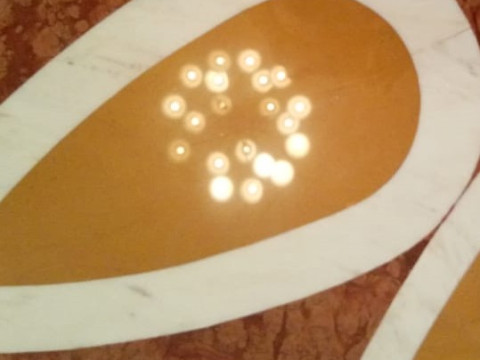
We also do
Corian, onyx & scratch removal
Beyond this service — we polish Corian tabletops, onyx floors/tabletops and remove scratches across Delhi NCR.


-480x360-c.JPG)




Ready to restore the shine?
Book a free inspection for marble, Corian, onyx or scratch removal across Delhi, Gurgaon, Noida, Faridabad & Ghaziabad.