Professional marble restoration for homes and small commercial spaces
Marble flooring gives any home a neat, timeless look. It stays cool in summer, feels smooth underfoot and reflects light naturally, which makes rooms appear brighter and more open. However, after years of daily use, even good quality marble starts losing its charm. The shine fades, scratches appear and stains settle into the surface.
In busy localities like Gautam Nagar, floors face constant foot traffic, dust from outside, furniture movement and frequent mopping. Slowly, the marble begins to look dull and uneven. Many people think the only option is to replace the floor. In reality, most of the damage is only on the top layer of the stone and can be corrected with proper polishing.
From years of hands-on work in Delhi homes and small offices, I have seen that careful restoration can bring old marble back to life without the cost and mess of replacement.
What marble polishing actually does
There is often confusion about polishing. Some assume it means applying wax or a glossy chemical. Those treatments only give temporary shine and wear off quickly. They do not repair the stone and sometimes make the floor slippery.
True marble polishing is a mechanical restoration process.
We use professional machines with diamond abrasives to remove the worn-out surface layer of marble. This removes scratches, stains and unevenness. Then the surface is refined gradually using finer abrasives until it becomes smooth and dense.
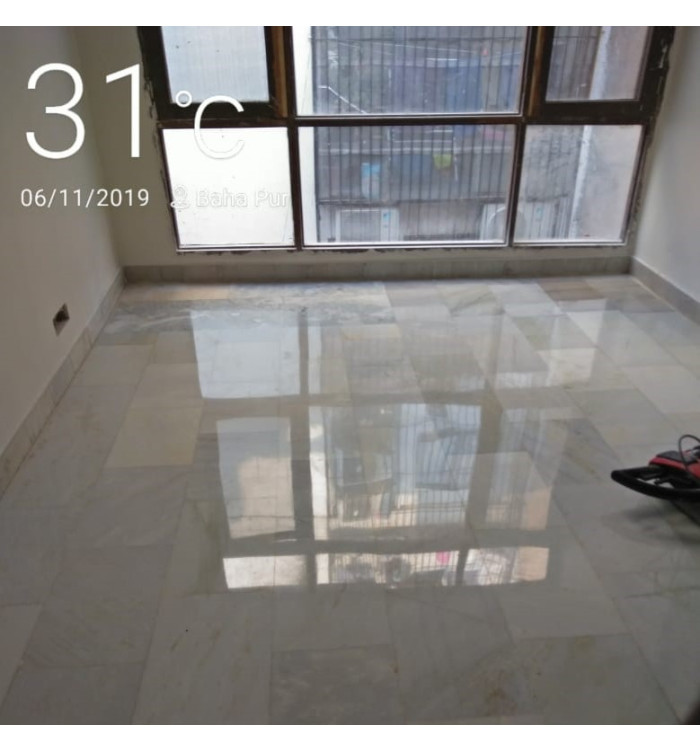
When marble becomes dense and flat, it reflects light naturally. That natural reflection is what creates a long-lasting, clean shine.
Instead of hiding defects, we correct the stone itself.
After proper polishing, you will notice:
-
even and consistent shine
-
smoother feel while walking
-
fewer visible scratches
-
easier daily cleaning
-
better stain resistance
The finish looks natural and elegant, not artificial.
Common problems seen in older marble floors
In residential houses and small commercial spaces, marble goes through daily wear. Over time, similar issues start appearing.
Dull and lifeless surface
Dust and fine grit under shoes create micro scratches that reduce the natural gloss of marble.
Scratches and scuff marks
Dragging furniture, chairs and appliances leaves visible lines across the floor.
Stains and dark patches
Oil, tea, food spills, cosmetics and hard water seep into the pores of marble and leave marks that normal mopping cannot remove.
Uneven levels
Tiles sometimes sit slightly higher or lower than others. This creates rough joints and an uneven appearance.
Etching from chemicals
Acidic cleaners or bathroom products react with marble and leave dull white spots that feel rough.
Small cracks and pinholes
Natural stone often has tiny holes or hairline cracks where dirt collects and spoils the look.
Most of these problems are limited to the surface and can be corrected through proper grinding and polishing.
Why polishing is better than replacing marble
Replacing marble flooring may seem like a permanent solution, but it is often unnecessary and expensive. Breaking old tiles creates heavy dust, noise and debris. It can also damage nearby walls and fittings. Matching the same marble design later can be difficult.
Professional polishing offers a simpler and more economical approach.
-
no demolition work
-
less mess inside the home
-
quicker completion
-
lower cost
-
existing marble preserved
In many cases, restoration delivers results that look almost like new flooring at a fraction of the expense.
Techniques used for strong and lasting results
Marble restoration is done step by step. Each stage improves both the appearance and durability of the floor.
Diamond grinding and polishing
This is the core of the process.
Heavy-duty machines fitted with diamond segments grind the marble in stages. Coarse diamonds remove deep scratches, stains and uneven joints. Medium and fine diamonds then smooth the surface gradually.
By the final stage, the marble becomes flat and reflective. The shine comes from the stone itself, which makes it long lasting and durable.
Silicate hardening treatment
Marble is softer than many stones and can wear down faster. A silicate hardener is applied during polishing to strengthen the surface.
It penetrates the stone and increases density from within. This helps:
-
reduce future scratches
-
improve shine retention
-
decrease water absorption
This treatment is especially useful in high-traffic areas.
Nano coating and surface sealing
After polishing, marble still remains porous. Without protection, liquids can seep in and cause stains.
A nano sealer forms an invisible barrier that reduces absorption. It does not change the look or feel of the marble but makes cleaning easier and protects against spills.
Epoxy filling for cracks and pinholes
Small holes, joints and hairline cracks are filled with colour-matched epoxy or resin. After curing and polishing, the surface becomes smooth and even. Dirt does not collect in these areas anymore.
Step-by-step work process
A proper method ensures consistent results and minimal disturbance inside your home.
Inspection
We first check the marble type, thickness and level of damage to plan the correct treatment.
Preparation
Furniture is moved and covered. Walls and cabinets are protected to avoid splashes or dust.
Deep cleaning
The floor is thoroughly cleaned before polishing begins.
Grinding and levelling
Coarse diamonds remove scratches and correct uneven joints.
Honing and polishing
Finer abrasives refine the surface step by step until a natural shine develops.
Hardening and sealing
Strengthening and protective treatments are applied for durability.
Final cleaning
The area is washed, dried and inspected carefully before handover.
Clean and safe working practices
Polishing involves machines and water, so safety and cleanliness are important.
We ensure:
-
proper covering of nearby furniture
-
controlled use of water and slurry
-
safe electrical connections
-
regular cleaning during work
-
clear walking paths
This allows residents to continue their routine comfortably.
Suitable for different spaces
This service is ideal for:
Residential homes
Living rooms, bedrooms, kitchens and corridors regain brightness and smoothness.
Builder floors and small offices
Polished marble provides a neat and professional look while being easy to maintain.
Shops and light commercial spaces
Restored floors handle regular foot traffic and remain presentable.
In every case, polishing improves both appearance and practicality.
Maintenance after polishing
Maintaining polished marble is simple.
-
sweep or dust regularly
-
mop with plain water or mild neutral cleaner
-
avoid harsh or acidic products
-
use soft pads under furniture
-
clean spills quickly
With basic care, the finish can last several years before light touch-up polishing is required.
Long-term value of professional restoration
From experience, properly polished marble changes the overall feel of the home. Rooms appear brighter, cleaning becomes easier and the floor stays presentable for longer. Instead of replacing the stone, you extend its life and protect your original investment.
Good restoration is about doing the job correctly and ensuring the results last for years, not just days.

Amrapali Greens- Ghaziabad

Meghdutam Apartment - Noida

Noida Sector 59

NEC Technologies

GREATER KAILASH- DELHI

Haldor Topsoe India Private Ltd- Faridabad

Unayur Marketing - Delhi

Heritage Max - Gurgaon

Alliance Constructions- Gurgaon


FREE INSPECTION

BOOKING

WORK STARTED

BEST QUALITY SERVICE

GUARANTEED SATISFACTION