
Stone Care · Palwal
Professional Marble Polishing Near Minar Gate Area Palwal-Haryana
From dull to mirror: trained crews for marble floors in Professional Minar Gate Area Haryana, Palwal.
Typical ₹/sq.ft range · Final quote after free site inspection
- Free inspection in Palwal · HQ Delhi
- Free on-site inspection
- Trained in-house technicians
- Taski-grade chemicals
- Satisfaction-focused handover
Professional Marble Polishing Near Minar Gate Area Palwal-Haryana
What Marble Polishing Really Does in Everyday Properties
Marble floors do not lose their appearance overnight. The change is gradual and often goes unnoticed at first. Daily foot traffic, dust brought in from outside, repeated mopping with hard water, and small household spills slowly affect the surface. Over time, the marble begins to feel less smooth, light reflection becomes uneven, and the floor looks dull even after proper cleaning.
Professional marble polishing restores the stone by correcting this worn upper layer. It smooths fine scratches, evens out surface inconsistencies, and refines the marble so light reflects naturally again. When carried out correctly, the floor looks balanced and calm rather than overly glossy, and it feels firmer and smoother underfoot.
This is genuine stone restoration, not a surface coating or temporary shine.
Common Problems Seen on Marble Floors
In residential homes and light commercial spaces, marble flooring usually shows similar issues with use.
Dull patches develop first, especially in walkways, living areas, and entrances. These areas lose depth and appear flat under lighting.
Fine scratches form gradually due to footwear grit, furniture movement, and routine cleaning. Though shallow, they scatter light and reduce the overall clarity of the floor.
Stains appear when water, oils, or spills seep into open pores. Marble absorbs moisture easily, which can leave dark patches or cloudy marks after drying.
Uneven shine is common where wear is inconsistent or where earlier polishing was incomplete. Some sections reflect light well, while others remain lifeless.
Moisture marks and etching occur when acidic substances react with the stone, leaving pale or rough patches that cannot be removed through normal cleaning.
These problems require proper surface correction rather than repeated washing.
Why Polishing Is Better Than Replacing Marble Flooring
Replacing marble flooring is disruptive, expensive, and often unnecessary. In most cases, the marble itself remains structurally sound, and only the surface layer is damaged.
Polishing removes this affected layer in a controlled manner while preserving the original stone. There is no demolition, no heavy debris, and no need to adjust doors, skirting boards, or floor levels.
From a long-term perspective, restored marble wears more evenly, resists staining better, and becomes easier to maintain. This makes polishing a sensible and cost-effective choice for property owners.
Diamond Grinding and Surface Correction
Diamond grinding is the foundation of professional marble restoration. Industrial diamond abrasives are used in stages to level the surface and remove scratches, wear marks, and minor unevenness.
The process is gradual and carefully controlled. Each grit stage refines the stone further, ensuring consistency across the entire floor without unnecessary material removal.
Once the surface is flat and uniform, it is ready for polishing.
Silicate Hardening Treatment
After surface correction, a silicate hardener is applied. This treatment reacts with the natural calcium in marble, strengthening the stone internally.
The hardened surface resists wear more effectively and helps the polished finish last longer. Because the treatment penetrates the stone rather than forming a coating, the marble retains its natural appearance and breathability.
This step is important for durability in regularly used areas.
Nano Coating and Protective Sealing
Where additional protection is required, nano treatments are applied. These penetrate deep into the marble pores and reduce absorption of water and oils.
Unlike traditional sealers, nano coatings do not leave a slippery or plastic-like finish. The stone remains natural in look and feel while gaining protection against stains and moisture marks.
This approach suits living rooms, bedrooms, corridors, and shared residential spaces.
Filling Pinholes and Fine Cracks
Natural marble often contains pinholes or hairline cracks that become visible during restoration. If left untreated, these areas collect dirt and moisture.
Colour-matched epoxy is used to fill these imperfections. Once cured and polished, the filled areas blend naturally with the surrounding stone, improving both appearance and hygiene.
Step-by-Step Work Process
Each project begins with a detailed inspection. The marble’s condition, previous treatments, traffic patterns, and moisture exposure are assessed before work starts.
The floor is then thoroughly cleaned to remove residues that could interfere with polishing.
Surface correction follows through diamond grinding to address scratches and uneven areas.
Polishing refines the stone to restore smoothness and clarity.
Protective treatments are applied last, based on how the space is used and maintained.
Safety, Cleanliness, and Area Protection
Before work begins, surrounding areas are protected. Furniture, walls, skirting boards, and adjacent surfaces are covered where required.
Wet polishing methods are used to control dust and maintain a clean working environment. Electrical safety, slip prevention, and careful chemical handling are followed throughout the process.
The site is kept organised so occupants can move safely when needed.
Suitable for Residential and Light Commercial Spaces
This service is suitable for flats, independent houses, shops, offices, clinics, and small commercial interiors where marble flooring forms part of the interior finish.
Work is planned to minimise disruption, allowing spaces to return to normal use promptly after completion.
Long-Term Benefits and Easy Maintenance
A properly polished marble floor stays cleaner with less effort. Dirt does not cling easily, stains develop more slowly, and routine mopping becomes more effective.
With sensible care and periodic maintenance, the restored finish can last for many years without aggressive intervention.
Choose your path
Apartment or commercial floor?
Different access rules and timelines — pick the path that matches your property.
Apartment / society flat
2–3 BHK living rooms, Italian marble, RWA-friendly low-dust process.
WhatsApp flat photosOffice / lobby / commercial
Office lobbies and commercial floors — weekend or after-hours slots available.
WhatsApp commercial quoteProof
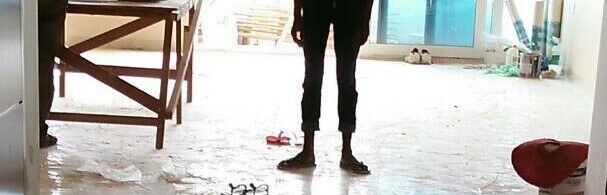
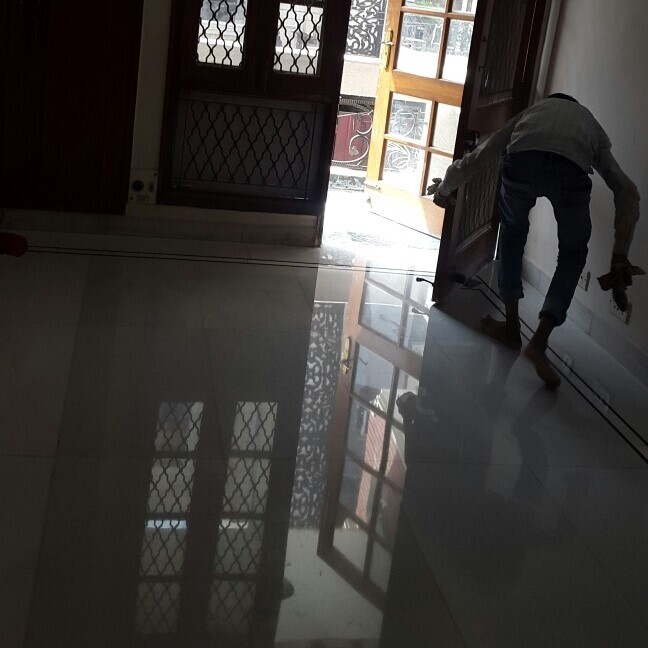
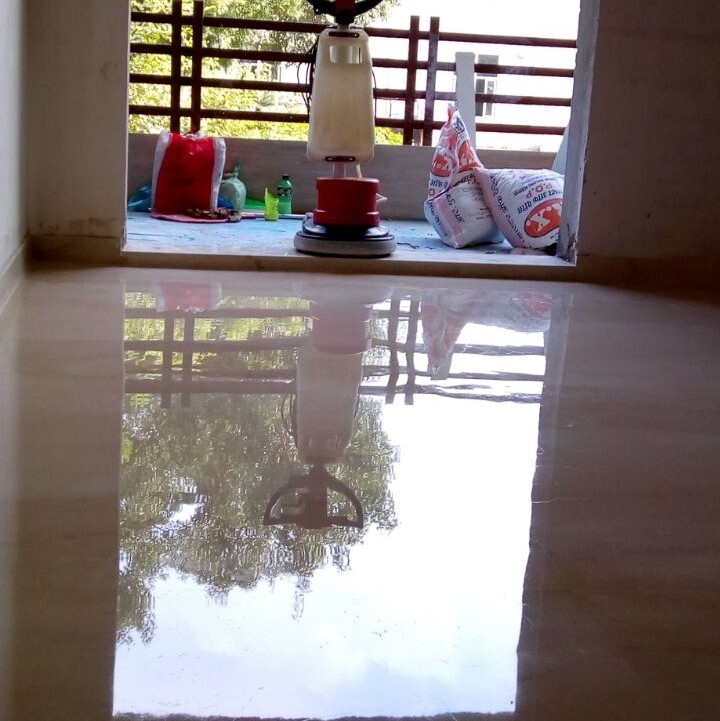
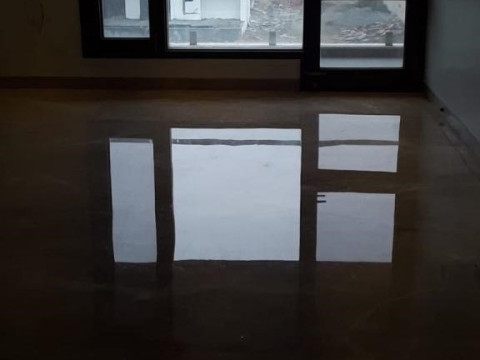
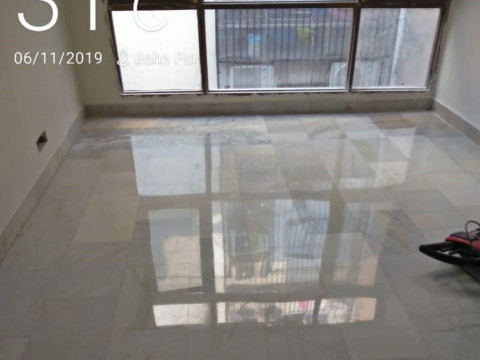
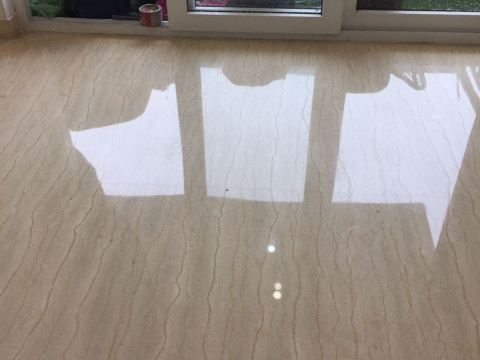
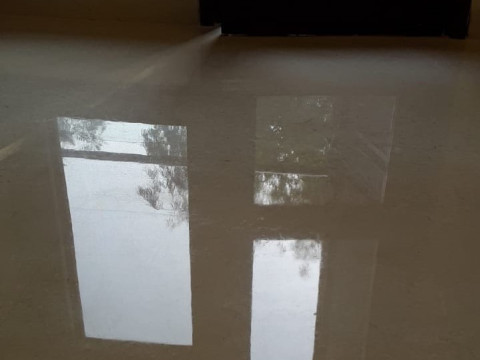
Before & after marble finish
Drag the slider to compare dull floors with restored mirror gloss.
 Before
After
Before
After

 Before
After
Before
After
 Before
After
Before
After
 Before
After
Before
After
Pricing
Palwal marble polishing rates
Indicative ₹/sq.ft bands — final quote after free on-site inspection.
| Package | Typical range |
|---|---|
| Basic / maintenance polish | ₹15 – ₹30 /sq.ft |
| Diamond multi-stage polish | ₹20 – ₹45 /sq.ft |
| Grinding + polishing | ₹30 – ₹60 /sq.ft |
| Epoxy fill + polish | ₹40 – ₹75 /sq.ft |
| Nano coating (optional) | ₹10 – ₹20 /sq.ft extra |
Our Process
7-step marble mirror finish method
Inspection
Assess stone, scratches and area
Grinding
Remove dull layer & lippage
Joint Filling
Glue or epoxy as needed
Diamond Honing
Pads 200 to 1500
Powder Polish
Nobile compound shine
Crystallization
Harden surface gloss
Mirror Finish
Final inspection & handoff
Neighborhoods we serve
Palwal coverage areas
- Hodal Road
- Sector 26 Palwal
- Palwal Village Fringe
- Kosi Road Palwal
- Delhi Mathura Road Palwal
- Palwal Mall Road
- Palwal West
- Hathin Road
- Palwal Ring Road
- Palwal North
- Hodal Bypass
- Chhainsa Road
- Palwal Sector 49
- Civil Lines Palwal
- Palwal Heights
- Sector 27 Palwal
Call: +91 63976 73720
Alt: +91 9466 730 013
Email: info@srmarblepolishing.com
Hours: Mon–Sun 8:00 AM – 8:00 PM
Reviews
Client feedback
Real client notes help new customers choose the right polish for their floor.
FAQ
Common questions about Professional Marble Polishing Near Minar Gate Area Palwal-Haryana
How much does marble polishing cost in Palwal?
Packages are quoted in ₹/sq.ft after we check stone type, damage and access. Share photos on WhatsApp for a fast range, then we confirm on free inspection in Palwal.
Do you handle society / RWA permissions in Palwal?
Yes. We share method notes, protect lifts/common areas and work in approved noise windows for gated societies across Palwal.
Is dust controlled during marble polishing in apartments?
We use wet grinding and vacuum recovery where practical, plus floor protection, to keep slurry and dust controlled in occupied homes.
How is the final price decided?
We confirm stone/surface type, damage level and sq.ft on inspection, then share a clear ₹ range before starting.
How long does the job take?
Most apartments finish in 1–3 days. Large commercial floors are phased around your schedule.
Do you polish Corian, onyx and remove scratches too?
Yes — Corian tabletops/counters, onyx tabletops and floors, and scratch removal on stone and solid surfaces across Delhi NCR.
Do you serve Gurgaon, Noida and Faridabad?
Yes — full Delhi NCR coverage including Greater Noida, Ghaziabad and nearby sectors.
Is furniture moving included?
Light shifting can be arranged; heavy items should be cleared or discussed before the crew arrives.
How much does Professional Marble Polishing Near Minar Gate Area Palwal-Haryana usually cost?
Typical Delhi NCR packages are quoted in ₹/sq.ft after we check stone type, damage and access. Share photos on WhatsApp for a fast range, then we confirm on free inspection.
How long will Professional Marble Polishing Near Minar Gate Area Palwal-Haryana take on site?
Most apartments finish in 1–3 days. Larger lobbies or commercial floors are phased around your schedule with clear daily milestones.
Do you handle societies and RWA permissions?
Yes. We share method notes, protect lifts/common areas and work in approved noise windows for gated societies.
Will there be dust during polishing?
We use wet grinding and vacuum recovery where practical, plus floor protection, to keep slurry and dust controlled in occupied homes.
Do you polish Italian marble, granite and Corian too?
Yes — Italian marble, granite, Kota, Corian tabletops/counters, onyx and scratch removal with pads and chemistry matched to each surface.
Is inspection free for Professional Marble Polishing Near Minar Gate Area Palwal-Haryana?
Yes. Call or WhatsApp your location and floor photos for a free inspection and clear next steps.
Which areas do you cover near this location?
We schedule crews for this city and nearby localities. Share your area on WhatsApp and we confirm the next inspection slot.
We also do
Corian, onyx & scratch removal
Beyond this service — we polish Corian tabletops, onyx floors/tabletops and remove scratches across Delhi NCR.




-480x360-c.jpg)



Ready to restore the shine?
Book a free inspection for marble, Corian, onyx or scratch removal across Delhi, Gurgaon, Noida, Faridabad & Ghaziabad.