
Stone Care · Palwal
Marble Polishing Near Me in Nagalia Palwal-Haryana
Apartment and lobby marble polishing in Nagalia Haryana, Palwal with clear ₹/sq.ft quotes.
Typical ₹/sq.ft range · Final quote after free site inspection
- Free inspection in Palwal · HQ Delhi
- Free on-site inspection
- Trained in-house technicians
- Taski-grade chemicals
- Satisfaction-focused handover
Marble Polishing Near Me in Nagalia Palwal-Haryana
Practical marble restoration for everyday homes and local properties
Marble flooring is widely used in homes and small commercial buildings across Nagalia because it stays cool, lasts for decades, and adds quiet value to a property. Over the years, though, regular use slowly changes its surface. Foot traffic, water exposure, shifting furniture, and incorrect cleaning methods wear down the stone. The floor may still be structurally sound, yet it no longer reflects light evenly or feels smooth underfoot.
Professional marble floor polishing focuses on correcting this surface damage rather than covering it. The aim is to restore balance, smoothness, and durability so the floor looks settled and well cared for, not artificially shiny.
How marble floors lose their finish over time
Marble is a natural stone with a dense structure, but it is not immune to daily stress. In residential and light commercial environments, damage develops gradually and often goes unnoticed until the floor looks visibly tired.
Common causes include regular foot movement, dust acting like fine sand, water left near bathrooms or entrances, and cleaning liquids that react with calcium in the stone. Over time, the top layer becomes uneven, which affects both appearance and maintenance.
Typical issues seen in Nagalia properties
Dull and cloudy surfaces
The most common complaint is loss of clarity. Light no longer reflects evenly, making rooms appear darker even during the day.
Scratches from daily use
Furniture movement, slippers, and grit from outside leave fine scratches that build up and scatter light across the surface.
Water stains and dark patches
Moisture that sits on marble can seep into open pores, especially near wash areas, balconies, and entry points.
Uneven shine between rooms
Different usage patterns cause some areas to wear faster than others, resulting in patchy finishes across the same floor.
Pinholes and minor cracks
Natural voids in marble trap dirt and moisture. If left untreated, they slowly expand and spoil the overall look.
Why polishing is a better option than replacement
Replacing marble flooring involves breaking the existing stone, removing debris, levelling the base, and reinstalling new material. This process is disruptive, costly, and often unnecessary.
Polishing works with the existing marble. It preserves the original stone, avoids structural disturbance, and delivers visible improvement at a fraction of the cost. In many older homes, the marble already installed is thicker and of better quality than what is commonly available today.
Methods used during professional polishing
Diamond grinding and refinement
This step removes surface damage using graded diamond abrasives. The stone is gradually levelled and smoothed without reducing tile strength.
Silicate hardening treatment
A penetrating hardener is applied to strengthen the marble internally. This improves resistance to wear and reduces future powdering.
Nano coating and breathable sealing
For areas exposed to moisture, a nano-level sealer is used. It limits absorption without trapping moisture inside the stone.
Epoxy filling for surface defects
Pinholes and hairline cracks are filled with colour-matched epoxy. Once cured and polished, repairs blend naturally into the floor.
Step-by-step work process on site
Inspection and assessment
The marble type, wear level, and previous treatments are examined to decide the correct polishing approach.
Intensive cleaning
Old residues, embedded dirt, and surface contaminants are removed so the polishing tools act directly on stone.
Surface correction
Grinding and honing are carried out in stages, including edges and corners, to achieve uniform levels.
Polishing and strengthening
Finer polishing steps restore smoothness, followed by hardening or sealing where required.
Final clean and handover
The floor is washed, neutralised, and inspected. The area is left clean and ready for use.
Safety and cleanliness during work
Modern polishing machines use controlled water systems to prevent dust spread. Nearby walls, doors, and fixtures are protected throughout the process. Electrical fittings and adjacent rooms remain safe and undisturbed.
Floors are not left slippery, and no harmful coatings are used. Once dry, the surface is safe for normal movement.
Suitable spaces for this service
Residential properties
Living rooms, bedrooms, kitchens, corridors, staircases, and balconies benefit significantly from polishing.
Light commercial spaces
Small offices, clinics, shops, and reception areas use polishing to refresh floors without extended downtime.
The finish level is adjusted based on usage, not forced into a high-gloss look unless appropriate.
Durability and easy maintenance
After polishing, marble becomes smoother and less absorbent. Regular sweeping and damp mopping with a neutral cleaner are usually sufficient. There is no need for waxes or repeated chemical treatments.
With sensible care, results last for years, making periodic polishing a practical long-term solution rather than a temporary fix.
What results to realistically expect
Polishing restores the natural character of marble. Veins, colour variation, and stone patterns remain visible. The improvement comes from uniform reflection, smoother texture, and a clean, settled appearance.
The floor looks refreshed and balanced, not newly installed or artificially coated.
Choose your path
Apartment or commercial floor?
Different access rules and timelines — pick the path that matches your property.
Apartment / society flat
2–3 BHK living rooms, Italian marble, RWA-friendly low-dust process.
WhatsApp flat photosOffice / lobby / commercial
Office lobbies and commercial floors — weekend or after-hours slots available.
WhatsApp commercial quoteProof
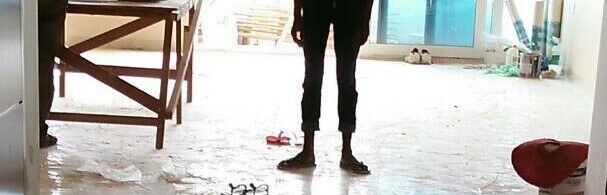
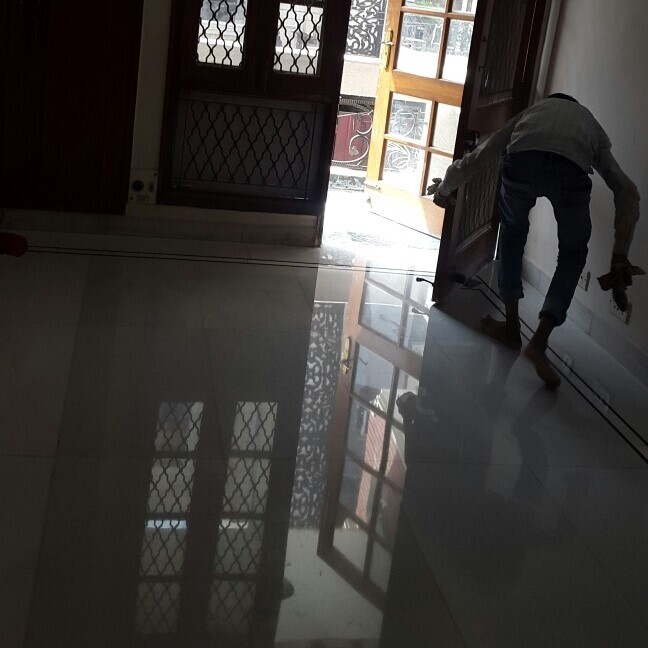
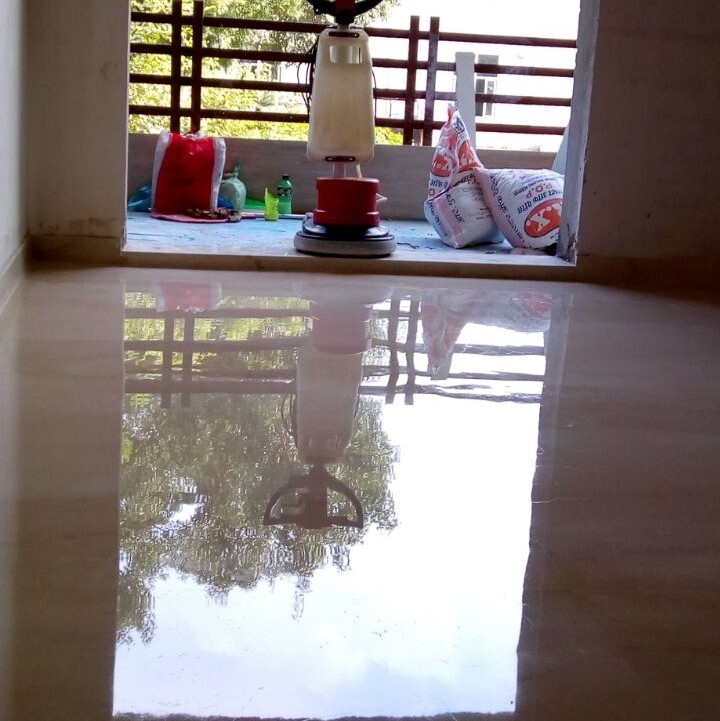
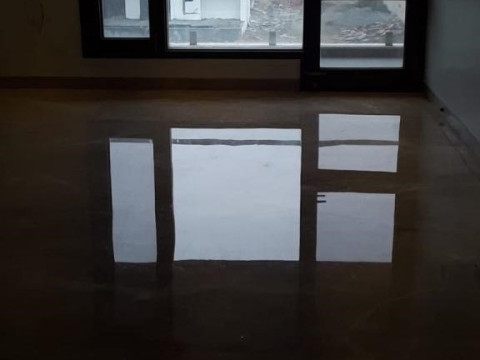
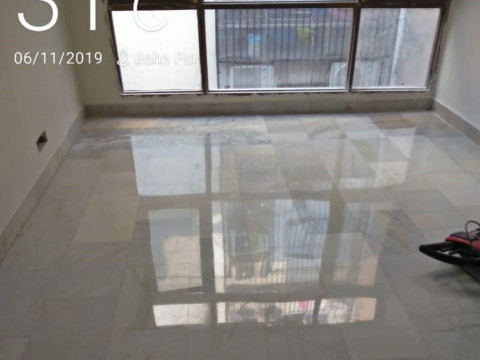
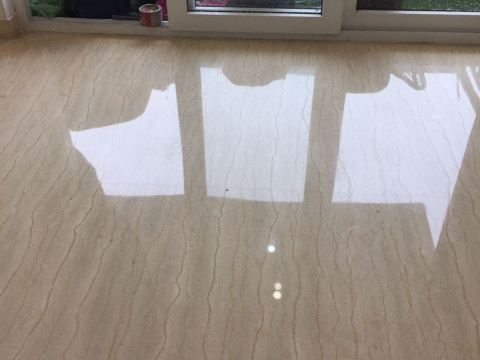
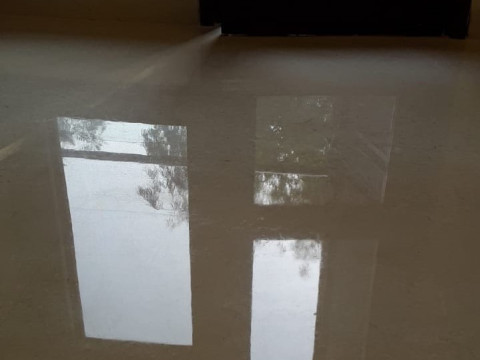
Before & after marble finish
Drag the slider to compare dull floors with restored mirror gloss.
 Before
After
Before
After

 Before
After
Before
After
 Before
After
Before
After
 Before
After
Before
After
Pricing
Palwal marble polishing rates
Indicative ₹/sq.ft bands — final quote after free on-site inspection.
| Package | Typical range |
|---|---|
| Basic / maintenance polish | ₹15 – ₹30 /sq.ft |
| Diamond multi-stage polish | ₹20 – ₹45 /sq.ft |
| Grinding + polishing | ₹30 – ₹60 /sq.ft |
| Epoxy fill + polish | ₹40 – ₹75 /sq.ft |
| Nano coating (optional) | ₹10 – ₹20 /sq.ft extra |
Our Process
7-step marble mirror finish method
Inspection
Assess stone, scratches and area
Grinding
Remove dull layer & lippage
Joint Filling
Glue or epoxy as needed
Diamond Honing
Pads 200 to 1500
Powder Polish
Nobile compound shine
Crystallization
Harden surface gloss
Mirror Finish
Final inspection & handoff
Neighborhoods we serve
Palwal coverage areas
- Prithla Road
- Palwal Mall Road
- Hodal Road
- Hodal Bypass
- Palwal East
- Old Palwal
- New Palwal
- Palwal Railway Colony
- Civil Lines Palwal
- Palwal Medical Belt
- Palwal NH-44 Belt
- Palwal Bus Stand Belt
- Kosi Road Palwal
- Sector 25 Palwal
- Palwal Hospital Belt
- Sohna Road Palwal
Call: +91 63976 73720
Alt: +91 9466 730 013
Email: info@srmarblepolishing.com
Hours: Mon–Sun 8:00 AM – 8:00 PM
Reviews
Client feedback
Real client notes help new customers choose the right polish for their floor.
FAQ
Common questions about Marble Polishing Near Me in Nagalia Palwal-Haryana
How much does marble polishing cost in Palwal?
Packages are quoted in ₹/sq.ft after we check stone type, damage and access. Share photos on WhatsApp for a fast range, then we confirm on free inspection in Palwal.
Do you handle society / RWA permissions in Palwal?
Yes. We share method notes, protect lifts/common areas and work in approved noise windows for gated societies across Palwal.
Is dust controlled during marble polishing in apartments?
We use wet grinding and vacuum recovery where practical, plus floor protection, to keep slurry and dust controlled in occupied homes.
How is the final price decided?
We confirm stone/surface type, damage level and sq.ft on inspection, then share a clear ₹ range before starting.
How long does the job take?
Most apartments finish in 1–3 days. Large commercial floors are phased around your schedule.
Do you polish Corian, onyx and remove scratches too?
Yes — Corian tabletops/counters, onyx tabletops and floors, and scratch removal on stone and solid surfaces across Delhi NCR.
Do you serve Gurgaon, Noida and Faridabad?
Yes — full Delhi NCR coverage including Greater Noida, Ghaziabad and nearby sectors.
Is furniture moving included?
Light shifting can be arranged; heavy items should be cleared or discussed before the crew arrives.
What is the cost of marble floor polishing in Nagalia-Palwal?
The cost varies based on the size and condition of the marble. Contact us for a customized quote.
What is the process involved in marble floor polishing?
Our process includes cleaning, honing, polishing, and sealing to restore the shine of your marble floors.
How long does it take to polish marble floors in Nagalia-Palwal?
The time taken depends on the area to be polished, but typically it can be completed within a day.
Do you cover other areas in Delhi NCR besides Nagalia-Palwal?
Yes, we provide marble polishing services in various areas across Delhi NCR.
How should I care for my marble floors after polishing?
Regularly clean with a neutral pH cleaner and avoid using harsh chemicals to maintain the polish.
Is an inspection required before marble floor polishing?
Yes, we conduct a thorough inspection to assess the condition of the marble before proceeding with the polishing process.
How do you control dust during the marble polishing process?
We use advanced dust control equipment to minimize dust and ensure a clean environment.
Do you offer marble polishing services to residential societies or RWAs?
Yes, we cater to residential societies and RWAs for marble polishing services.
Can you remove deep stains from marble floors in Nagalia-Palwal?
Our specialized techniques can effectively remove deep stains and restore the natural beauty of your marble floors.
Is marble polishing a noisy process?
We strive to minimize noise disturbances during the polishing process for your convenience.
Do you provide maintenance tips for marble floors post-polishing?
Yes, we offer maintenance tips and guidance to help you preserve the shine of your marble floors.
What sets SR Marble Polishing Solutions apart from other marble polishing companies?
Our attention to detail, skilled technicians, and commitment to customer satisfaction set us apart.
Can marble floors be polished multiple times?
Yes, marble floors can be polished multiple times to maintain their shine and durability.
Do you offer discounts for regular marble floor polishing services in Nagalia-Palwal?
We provide special discounts for customers opting for regular marble floor polishing services.
How long does the marble polishing shine last?
The duration of the shine depends on factors like foot traffic and maintenance, but it can last for several months.
Can you provide references or testimonials from satisfied customers in Nagalia-Palwal?
Yes, we can provide references and testimonials to showcase our quality work and customer satisfaction.
We also do
Corian, onyx & scratch removal
Beyond this service — we polish Corian tabletops, onyx floors/tabletops and remove scratches across Delhi NCR.




-480x360-c.jpg)



Ready to restore the shine?
Book a free inspection for marble, Corian, onyx or scratch removal across Delhi, Gurgaon, Noida, Faridabad & Ghaziabad.